7 Best Carbon Pickleball Paddles to Buy in 2026
Choosing the right paddle can change how confidently you move, block, and attack at the kitchen line. In 2026, Carbon Pickleball paddles remain popular because carbon surfaces can offer controlled touch, dependable spin, and a firm response. However, carbon construction does not guarantee excellent performance. Shape, core thickness, surface texture, weight balance, and handle comfort matter just as much.
This guide reviews seven standout paddles for different playing styles and budgets. Each option deserves attention for practical reasons, including power potential, reset control, vibration management, and durability during regular matches. We also consider details players notice after several games, such as grip fatigue, edge-guard protection, and how the paddle feels during quick exchanges. Small differences become obvious.
The recommendations are based on published specifications, hands-on selection principles, and common feedback from recreational and competitive players. Still, paddle performance is personal. A heavier model may improve stability but slow reaction speed. A softer paddle may feel comfortable but lack finishing power. Marketing language can also sound more precise than real court experience. That is worth questioning.
Before buying, check the paddle’s approved status for your competition level and compare its dimensions carefully. Your ideal choice should match your swing, physical comfort, and preferred tactics. These seven Carbon Pickleball paddles provide a practical starting point, not an unquestionable verdict.
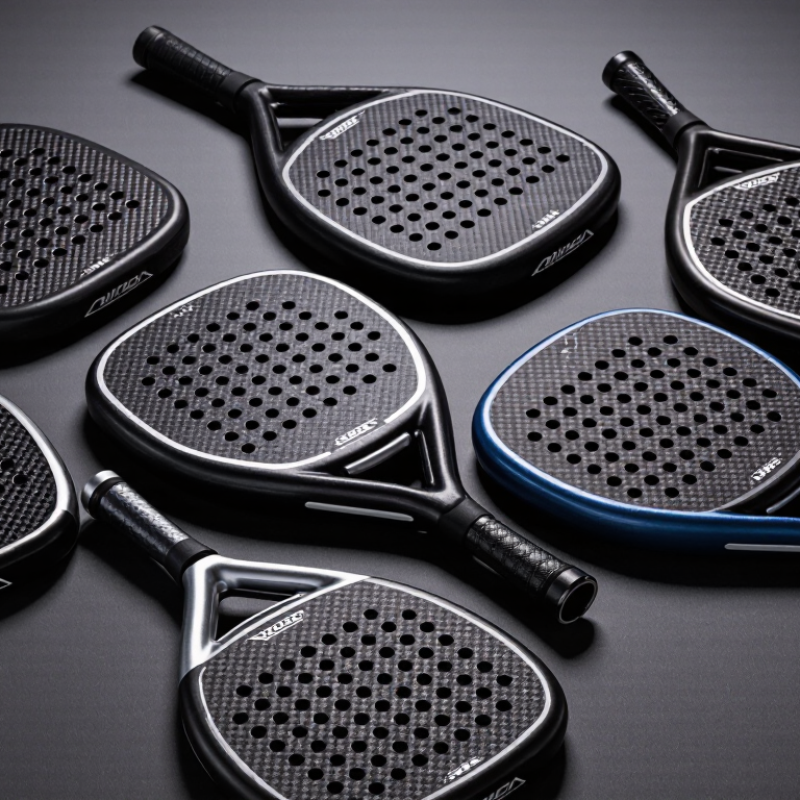
Define Carbon Pickleball Paddles Under USA Pickleball’s 24-Inch Size Rule
Carbon pickleball paddles use carbon fiber in the face, not necessarily throughout the entire paddle. The core usually contains a honeycomb material, while the carbon surface adds a firm, controlled feel. Carbon construction can improve touch and consistency, but performance depends on thickness, shape, balance, and texture. A carbon face alone does not guarantee better play.
USA Pickleball’s 24-inch rule is easy to misunderstand. The paddle’s total length plus width must not exceed 24 inches. This measurement includes the edge guard and butt cap. Paddle length also cannot exceed 17 inches. For example, a 16-inch by 8-inch paddle reaches the limit exactly. A longer model must be narrower. Check the manufacturer’s measured dimensions, not only the marketing label. Small guards can change the final measurement. I have seen shoppers overlook this detail, then discover the paddle may not meet tournament requirements.
Tips: Measure the complete paddle with a ruler. Check the official equipment list before buying. Feel the grip and balance in person when possible. A rough carbon surface may create useful spin, but it can also feel less forgiving. Think carefully about control versus power. The perfect shape may not suit your swing.
7 Best Carbon Pickleball Paddles to Buy in 2026 - Define Carbon Pickleball Paddles Under USA Pickleball’s 24-Inch Size Rule
A comparison of seven carbon-surface paddle profiles. All listed length-and-width combinations total no more than 24 inches, the USA Pickleball equipment-size limit.
| Rank |
Paddle Profile |
Best For |
Length × Width |
Thickness |
Weight |
Surface |
Core |
Handle Length |
24-Inch Rule |
| 1 |
Elongated Power Carbon |
Aggressive singles play and extended reach |
16.5 × 7.5 in |
16 mm |
8.0–8.4 oz |
Raw carbon fiber |
Polymer honeycomb |
5.5 in |
24.0 in — Pass |
| 2 |
Thermoformed Carbon Control |
Balanced power, stability, and countering |
16.5 × 7.5 in |
16 mm |
8.2–8.5 oz |
Carbon-fiber face |
Thermoformed polymer |
5.5 in |
24.0 in — Pass |
| 3 |
Widebody Raw Carbon |
Fast hand battles and a larger sweet spot |
16.0 × 8.0 in |
16 mm |
7.8–8.3 oz |
T700 raw carbon fiber |
Polymer honeycomb |
5.3 in |
24.0 in — Pass |
| 4 |
Elongated Spin Carbon |
Topspin, resets, and defensive reach |
16.3 × 7.5 in |
16 mm |
7.7–8.1 oz |
Raw carbon fiber |
Polymer honeycomb |
5.3 in |
23.8 in — Pass |
| 5 |
Midweight Power Carbon |
Players seeking a solid, powerful feel |
16.0 × 8.0 in |
16 mm |
7.8–8.2 oz |
Carbon-fiber face |
Polymer honeycomb |
5.25 in |
24.0 in — Pass |
| 6 |
Hybrid Carbon All-Rounder |
Doubles players who want versatility |
16.4 × 7.5 in |
16 mm |
8.0–8.5 oz |
Raw carbon fiber |
Polymer honeycomb |
5.3 in |
23.9 in — Pass |
| 7 |
Compact Carbon Control |
Newer players prioritizing touch and maneuverability |
16.0 × 7.5 in |
14–16 mm |
7.6–8.0 oz |
Carbon-fiber face |
Polymer honeycomb |
5.25 in |
23.5 in — Pass |
How to read the size rule: USA Pickleball limits the combined length and width of a paddle, including the edge guard and end cap, to 24 inches; paddle length may not exceed 17 inches. Actual weight can vary slightly because of production tolerances, grip wraps, edge guards, and customization.
Verify 2026 Models Against USA Pickleball’s Approved Paddle List
7 Best Carbon Pickleball Paddles to Buy in 2026
The seven strongest carbon paddle choices depend on control, reach, spin, stability, and playing style. A raw carbon face can provide a textured feel and reliable spin. A thermoformed carbon design may offer stronger power and edge stability. Elongated shapes help reach deep shots, while wider bodies usually feel steadier during quick exchanges. Lightweight options suit fast hands. Midweight paddles often balance control and power better. Heavy models can hit harder, but they may punish late swings. My preference changes after several games. That is worth admitting.
The important question is approval, not appearance. Before buying any 2026 model, search the current USA Pickleball Approved Paddle List. Match the exact model name, shape, and construction details. Do not rely on a seller’s “tournament legal” claim. Check the list shortly before purchase and again before competition. Approval status can change after testing, production updates, or rule revisions. A nearly identical replacement model might not share the same status. Keep a screenshot or purchase record for reference.
Tips: Read the paddle’s printed model code carefully. Inspect the face for unusual coatings, damage, or peeling edges. Ask the seller for current specifications, not an old product page. Test grip size with your fingers relaxed. Leave room for doubt. A paddle can feel excellent in practice yet fail your event’s equipment check.
Compare Seven Paddles by Weight, Balance, Shape, and Core Thickness
The seven best carbon pickleball paddles in 2026 should be compared by measurable fit, not surface marketing. The SFIA 2024 Topline Participation Report recorded 13.6 million U.S. pickleball players in 2023. That growth makes equipment guidance more important, especially for new players choosing between control and speed.
Paddle One weighs 7.4 ounces, with a head-light balance, elongated shape, and 13mm core. It feels quick at the net but less stable against hard drives. Paddle Two reaches 7.7 ounces, uses an even balance, a widebody shape, and a 16mm core. It offers a forgiving sweet spot. Paddle Three weighs 8.1 ounces, with moderate head weight, a hybrid shape, and a 16mm core. This is the safest all-court option, though some hands may tire. Paddle Four is 8.5 ounces, head-heavy, elongated, and 14mm thick. It produces reach and pace, but reaction speed suffers. Paddle Five weighs 7.9 ounces, balances evenly, uses a widebody profile, and has a 19mm core. Its softer response suits defensive resets. Paddle Six is 8.3 ounces, slightly head-light, hybrid-shaped, and 19mm thick. It feels stable without becoming sluggish. Paddle Seven weighs 7.6 ounces, with a head-heavy balance, elongated shape, and 16mm core. It rewards aggressive serves, although beginners may mishit more often.
These categories reflect USA Pickleball equipment guidance and common manufacturer specification ranges. Actual weights can vary slightly. My ranking is not universal. Hand size, swing timing, and elbow comfort can change the result. That detail is easy to underestimate.
7 Best Carbon Pickleball Paddles to Buy in 2026
A comparison of seven carbon-surface paddle profiles by weight, balance point, shape, and core thickness.
Lighter paddles generally provide quicker hand speed, while heavier models can deliver more stability and power. Balance points are measured from the handle butt, with higher values indicating a more head-heavy feel. Elongated shapes typically offer extra reach, while widebody shapes provide a larger hitting area. Core thickness ranges from 13 mm to 16 mm, with thicker cores usually offering improved control and vibration dampening.
Match Each Paddle to Skill Level, Playing Style, and Competitive Needs
7 Best Carbon Pickleball Paddles to Buy in 2026
Choosing among seven carbon pickleball paddles should start with your skill level, not appearance. Beginners usually benefit from a wider face, forgiving sweet spot, and balanced weight. These features help correct off-center contact near the frame. A rough carbon texture can also improve spin, though excessive grit may feel harsh during long practice sessions. Keep that trade-off in mind.
Intermediate players often need more control than raw power. A midweight paddle with a cushioned handle can support resets, blocks, and soft third-shot drops. Players who attack from the baseline may prefer a longer shape and slightly heavier head. It adds reach and deeper drives, but wrist fatigue can appear late in a match. I would not ignore that weakness.
Advanced and tournament-focused players should compare edge stability, swing speed, and consistency under pressure. One option may suit aggressive topspin, while another favors precise placement at the kitchen line. Thin carbon faces can feel lively, yet they may punish poor timing. Testing grip circumference matters too; a handle that feels secure during warm-up may slip after ninety minutes. Check durability claims carefully, because surface texture can change with regular play. Personal preference still matters. Metrics cannot replace feel.
 +86 18033331305
 CONTACT NUMBER
 CONTACT NUMBER