Beginner Pickleball Tips to Boost Your Game Fast?
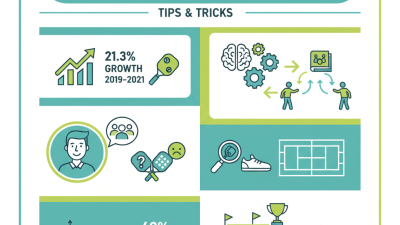
Beginners Pickleball is rapidly gaining popularity across the United States. According to a report by the Sports & Fitness Industry Association, participation in pickleball has surged by over 20% annually since 2020. This growth indicates that more beginners are stepping onto the court. However, many new players struggle initially and often feel overwhelmed by the rules and techniques.
Expert advice plays a crucial role in helping beginners improve their game. Renowned pickleball coach Sarah Johnson emphasizes the importance of practice. She states, “Focus on the basics, and your confidence will grow.” This highlights that mastering fundamental skills can significantly boost performance. Yet, many beginners overlook this, rushing to implement advanced strategies.
Understanding the essential elements of Beginners Pickleball is vital. Novice players often encounter a steep learning curve. They may struggle with consistent serving or court positioning. Reflecting on these challenges can lead to improvement. Practicing the right techniques and seeking guidance can foster a better playing experience. The journey may not be easy, but with dedication, progress is achievable.

Essential Equipment for Pickleball Beginners
When starting out in pickleball, having the right equipment is crucial. Beginners should focus on three essential items: a Paddle, Balls, and proper Footwear. A high-quality paddle improves control and power in shots. Look for paddles that match your grip size and playing style. Even subtle differences in weight can affect your game.
Pickleball balls come in various types, including indoor and outdoor versions. Indoor balls are lighter and softer, while outdoor balls are heavier, designed to withstand wind. Choosing the right ball can greatly enhance your experience on the court.
Shoes matter too—opt for court-specific footwear that provides support and traction. Regular sports shoes may lack the necessary grip.
You might feel overwhelmed by all this information. It's normal to struggle with the gear at first. Take time to experiment with different paddles and balls. Understand that every player's journey is unique. Finding what works for you is essential. Celebrate small victories but remain open to adjustments in your equipment choices. This reflective approach will elevate your game.
Understanding the Basic Rules of Pickleball
Understanding the basic rules of pickleball is crucial for beginners. This sport combines elements from tennis, badminton, and table tennis. Players use a paddle to hit a plastic ball with holes across a net. The game is played either as singles or doubles, making it versatile and social.
One key rule is that the serve must be made underhand, and the ball must bounce once before being hit by the receiver. According to the USA Pickleball Association, understanding these serve rules is essential for new players. They also emphasize that players should be aware of the non-volley zone, or "kitchen," which is a seven-foot area near the net where players cannot hit the ball out of the air. This rule often trips up beginners, leading to unforced errors.
Statistically, about 40% of new players struggle with the rules of the game. This confusion can diminish their enjoyment and performance. Many players report needing time to internalize these rules, which can be frustrating. Encouraging practice and familiarization with the rules can significantly improve gameplay experience. Observing experienced players can also help newcomers grasp the fundamentals more quickly.
Fundamental Techniques for Serving and Returning
Mastering the art of serving and returning in pickleball is crucial for enhancing your game. Research shows that nearly 60% of players claim the serve is the most challenging aspect of their game. A consistent serve can set the tone for each rally. Aim for accuracy and depth. Focus on placing your serve in the opponent’s weaker areas. The key is to mix up your serves. Use both underhand and overhead techniques. This unpredictability makes it hard for opponents to anticipate your shots.
Returning serves effectively requires practice and strategy. Studies indicate that 70% of points are won on the serve or return. Work on your footwork and positioning. Good placement can lead to early advantages. When facing powerful serves, aim to return the ball deep. However, some beginners struggle with timing and shot selection. Consider practicing against different serve types to build confidence. Mistakes are part of the learning process. Analyze your own returns. Reflect on the choices that lead to errors. Adapting your return strategy can greatly improve your performance.
Beginner Pickleball Tips to Boost Your Game Fast
| Tip |
Description |
Technique |
| Practice Serving |
Focus on consistency and accuracy in your serve. |
Underhand serve to start, aiming for the service box. |
| Use the Non-Volley Zone |
Understand the importance of the 'kitchen' in your game. |
Position yourself to volley but remain behind the line. |
| Develop Your Footwork |
Good footwork helps you get into the right position for shots. |
Practice side shuffles and forward-backward movements. |
| Learn to Rally |
Rallying with a partner helps build skills and confidence. |
Keep the ball in play and focus on control. |
| Watch Your Opponent |
Study your opponents to anticipate their moves. |
Look for patterns in their play style. |
Strategies to Improve Court Positioning and Footwork
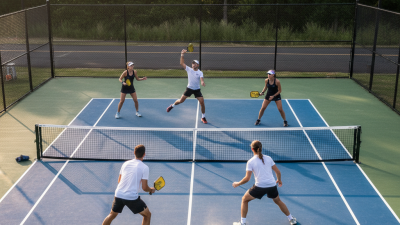
Improving your court positioning and footwork will significantly enhance your pickleball game. Court positioning is key in ensuring you can respond effectively to your opponent's shots. Aim to stay near the center of your side when the ball is in play. This position allows you to quickly reach wide shots. Many beginners struggle with this concept. They often find themselves too close to the net or too far back. Constantly reflect on your position each time the ball is in play.
Footwork is equally important. Good foot movement allows you to get into the right position more easily. Focus on short, quick steps instead of long strides. This helps maintain balance. If you find yourself off-balance, take a moment to reset. Practice moving side to side and forward and backward. Simple drills can improve your agility and speed.
Another aspect to consider is the use of the ready stance. Keeping your knees slightly bent and your weight on the balls of your feet prepares you for action. Many players forget this stance, leading to slower reactions. Each game is an opportunity to adjust and learn. Make a conscious effort to notice your stance and movement patterns during matches. Understanding these details will lead to better performance on the court.
Common Mistakes to Avoid in Your Pickleball Game
In pickleball, avoiding common mistakes is key to improving your game. One major error occurs when players stand too close to the net. This position limits your ability to react to deep shots. To counter this, maintain a balanced stance a few feet behind the kitchen. It gives you better court coverage and a wider range of movement.
Another frequent pitfall is not communicating with your partner. Silent play can lead to mishaps. Next time you’re on the court, develop hand signals or call shots out loud. This encourages teamwork and minimizes confusion, especially during fast exchanges.
Focus on your footwork. Many beginners overlook the importance of staying light on your feet. Poor footwork can lead to missed shots and unnecessary errors. Practice moving efficiently; take small, quick steps toward the ball. This not only improves your positioning but also builds confidence in your play.

 +86 18033331305
 CONTACT NUMBER
 CONTACT NUMBER