Top 10 Beginners Pickleball Tips for New Players to Get Started?
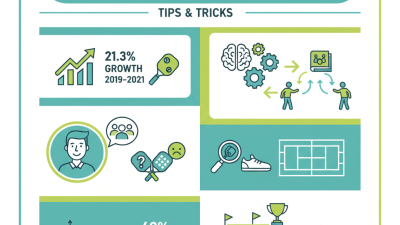
As Beginners Pickleball continues to grow in popularity, new players are eager to join in. According to the Sports & Fitness Industry Association, pickleball participation increased by 21.3% from 2019 to 2021. It is now one of the fastest-growing sports in the United States. This surge highlights the need for quality guidance, especially for beginners who may feel overwhelmed by the game's rules and techniques.
Expert Mike Gawlik, a seasoned pickleball coach, emphasizes, "Understanding the basics is crucial for any Beginners Pickleball player." His insight reflects the importance of starting with solid foundations. Many new players often struggle with basic skills. They sometimes skip essential practices, which can lead to frustration. Remember, mastery takes time and patience. Beginners should focus on gradual improvement.
Engaging in this sport offers numerous physical and social benefits. However, beginners should prepare for common challenges, like awkward shots and coordination issues. These experiences can be disheartening, yet they are part of the learning curve. Embracing these aspects will enhance skills and enjoyment on the court.
Essential Equipment for Beginners in Pickleball
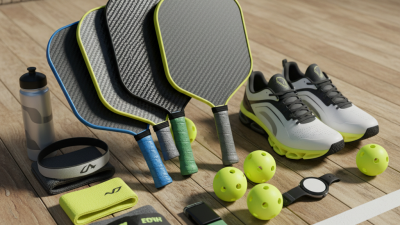
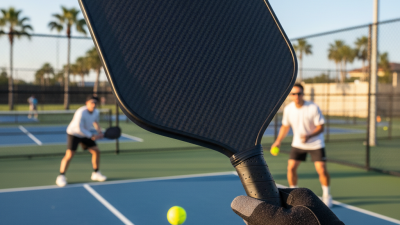
When starting out in pickleball, having the right equipment is vital. Beginners should focus on a few essential items. A paddle is the most important piece. Look for one that feels comfortable and lightweight. Many players prefer paddles made from a composite material. This choice offers good control and power. The grip size is also crucial. A proper fit will enhance your playing experience and prevent injuries.
Next, consider the balls. Pickleball uses plastic balls with holes. There are indoor and outdoor varieties. Indoor balls are lighter and have fewer holes, making them softer. Outdoor balls are heavier and more durable, designed to handle wind. Bringing the right footwear is also essential. Non-marking tennis shoes are a great choice. They provide support and traction on the court surface.
Don’t overlook protective gear. While it may seem unnecessary, wearing a pair of knee pads can prevent injuries as you dive for the ball. A moisture-wicking shirt will keep you comfortable during play. Investing in quality equipment may be daunting. Many beginners will discover their preferences over time. Test different options as you progress. Your playing style will influence what gear works best for you.
Understanding the Basic Rules and Scoring System
Understanding the basic rules and scoring system is essential for beginners in pickleball. The game uses a unique scoring system. Only the serving side can score points, which can confuse new players. Games are typically played to 11 points, and you must win by 2. Many beginners struggle with this rule. A clear understanding is vital to enjoying the game.
The scoring system can affect gameplay decisions. The USA Pickleball Association emphasizes the importance of knowing when to serve and how to strategize based on points. For instance, players may feel pressure at critical point thresholds. This can lead to mistakes. Observing experienced players can help new players grasp these nuances quickly.
Additionally, the rules regarding the kitchen area can be challenging for novices. Players cannot step into this area when hitting a volley. Misunderstanding this rule often results in lost points. On average, around 30% of beginner mistakes occur due to these kitchen violations. Familiarizing oneself with these rules will enhance overall gameplay and confidence on the court.
Top 10 Beginners Pickleball Tips for New Players to Get Started
Fundamental Techniques for Serving and Returning the Ball
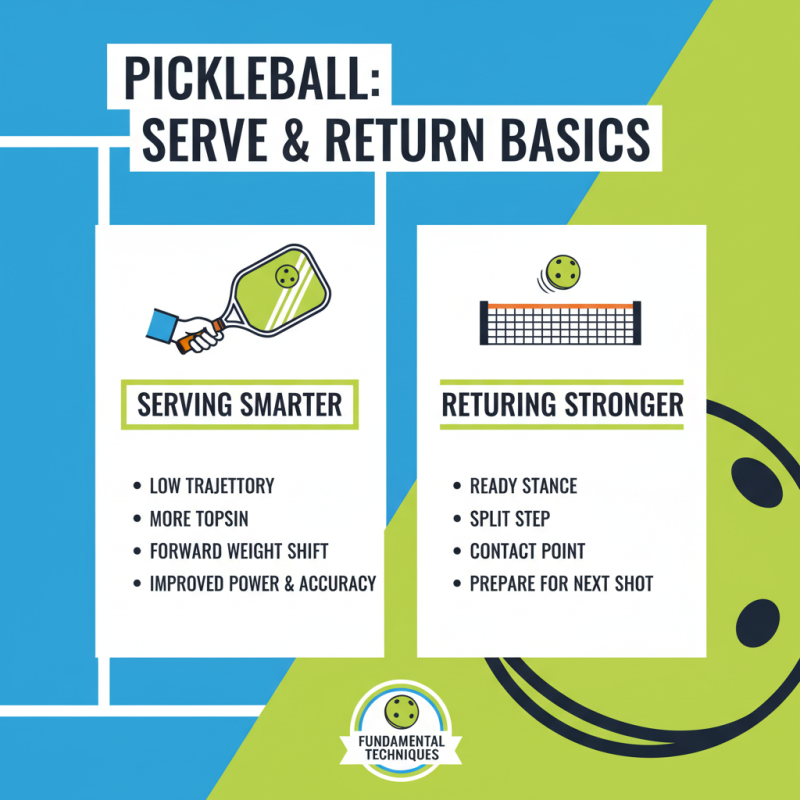
Serving and returning are the two fundamental skills in pickleball. When serving, aim for a low trajectory with topspin. This keeps opponents guessing and makes it difficult for them to return the ball effectively. Focus on your foot placement and ensure your bodyweight shifts forward as you make contact. This simple adjustment can greatly enhance your power and accuracy during serves.
When it comes to returning serves, positioning is key. Stand ready, slightly bent, with your knees engaged. Anticipate the ball's trajectory, and watch the opponent's paddle for cues. A common mistake is overcommitting. It's better to play it safe and let the ball come to you. Practice makes perfect; the more you play, the better you'll recognize different types of serves. Consider using a variety of returns to keep your opponent on their toes. The journey begins with each serve and return, revealing opportunities for growth.
Tips for Improving Footwork and Court Positioning
Footwork and positioning are critical for success in pickleball. Good footwork allows players to move quickly and reach the ball. A study found that effective footwork can increase a player’s game performance by up to 30%. Focus on staying light on your feet while maintaining a balanced stance. This will help you react better to your opponent's shots.
To improve your footwork, practice shuttle runs. This drill enhances your agility and speed. Aim to incorporate lateral movements to mimic the game scenarios. You may find that your positioning on the court changes as you learn. Standing too close or too far from the baseline can limit your play. Finding the right distance takes time and practice.
Lastly, work on your split step. This small jump prepares you for quick lateral movement when your opponent strikes the ball. According to experts, players who master this technique can improve their reaction times by over 20%. Remember, the goal is to stay ready for any shot. Understanding your court positioning will minimize unnecessary movements and conserve your energy.
Strategies for Effective Team Play and Communication
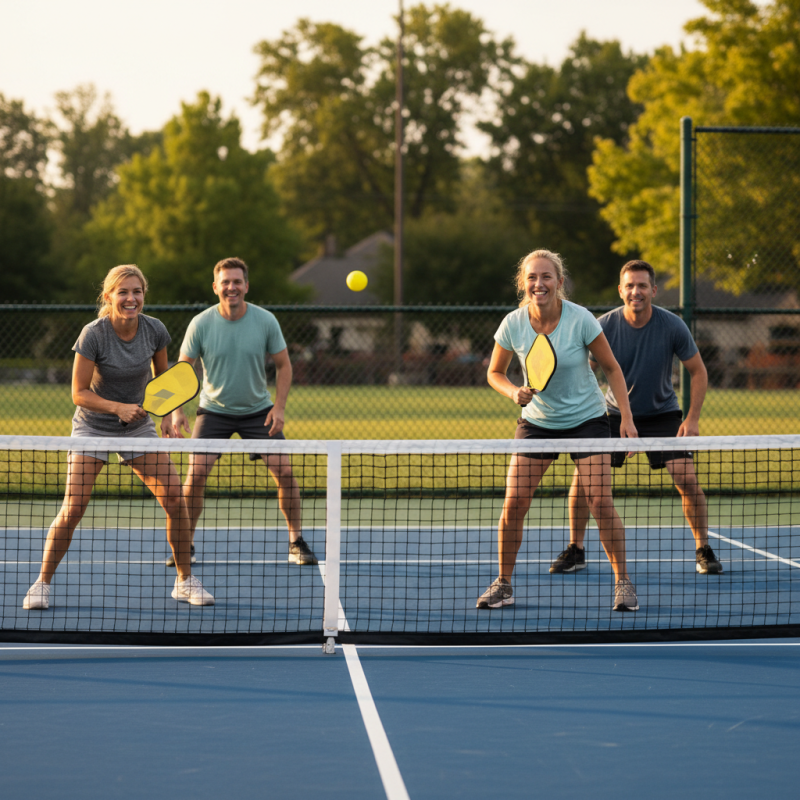
Effective communication and teamwork are essential in pickleball, especially for beginners. Studies suggest that successful teams rely heavily on clear conversation. A report from the U.S. Pickleball Association highlights that 70% of players feel more confident when they communicate with their partner during a match. Simple phrases, gestures, and eye contact can make a big difference. Acknowledge each player's strengths and weaknesses. For instance, if one partner is a stronger server, they can take the lead during serves, enhancing overall performance.
Creating a strategy before starting a game is also crucial. Teams should discuss their positions on the court. Players often misunderstand their roles, leading to missed opportunities. According to research, teams that develop a plan together win 60% more matches than those that do not. Discuss which areas each player will cover. Being aware of your partner’s movements can minimize confusion. Practice makes perfect, and debriefing after games can provide valuable insights. Acknowledge what worked and what didn’t. This reflection can help teams grow together, learning from each experience.

 +86 18033331305
 CONTACT NUMBER
 CONTACT NUMBER