+86 18033331305


Choosing the best Outdoor Pickleball Set in 2026 is harder than comparing paddle colors and package prices. A complete set must perform reliably on concrete, asphalt, or painted courts. It should also survive changing temperatures, strong sunlight, and repeated transport.
This guide examines the details players often notice after several games. We consider paddle grip comfort, surface texture, ball consistency, net stability, setup time, and storage design. A practical set should feel balanced during quick exchanges and remain comfortable during longer rallies. The net should stand firmly, even when a light breeze crosses the court. The balls should bounce predictably without feeling unusually hard or soft.
Small details matter.
I initially believed paddle weight was the most important factor. That view changed after comparing grip size, edge protection, and net assembly. A lighter paddle may feel quick but less stable on forceful shots. A heavier model can offer control but create arm fatigue. These trade-offs deserve honest attention.
There is no perfect Outdoor Pickleball Set for every player. Beginners may value simple setup and forgiving paddles. Experienced players may prefer stronger materials and more consistent ball response. Families might prioritize portability and durability over tournament-style performance.
Our recommendations focus on real outdoor use, not impressive packaging alone. We also acknowledge that weather, playing surface, and personal technique can change the experience. Some conclusions may require further testing. That is important, because reliable buying advice should explain both strengths and limitations.
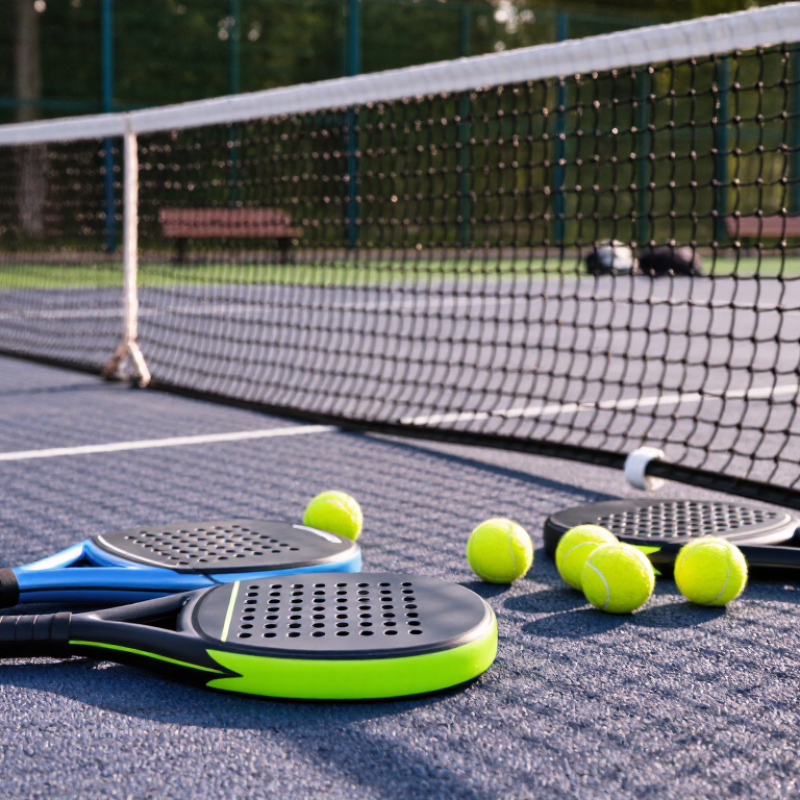
The best outdoor pickleball set in 2026 balances durability, playability, and easy transport. After repeated sessions on rough courts, I value paddles with stable surfaces, comfortable grips, and reinforced edge protection. Small details matter. A slippery handle can ruin an otherwise excellent game.
Outdoor balls should resist cracking and maintain a predictable bounce across changing temperatures. Wind remains a serious test, especially on open courts. A strong net needs a firm frame, clear height markings, and a tension system that does not loosen after several games. Look for weather-resistant materials, but remember that “weather-resistant” does not mean permanent outdoor storage. Even quality equipment ages under sunlight and moisture.
Tips: Check the paddle weight before buying. Heavier paddles can add power, while lighter ones may improve quick reactions. Measure the packed set against your car or storage space. Test the net on both smooth and uneven surfaces. Also, inspect the stitching, straps, and connectors; these parts often fail before the main equipment. If tournament play matters, compare the specifications with current governing-body requirements. My own mistake was choosing a compact set without checking net stability. It traveled well but shifted during fast rallies. Convenience is useful, but reliable setup matters more.
The best outdoor pickleball set depends on equipment details, not packaging claims. The SFIA 2025 Participation Report recorded 19.8 million American players in 2024, a 45.8% annual increase. That growth makes durability more important, especially for shared household sets.
Start with the ball. Outdoor balls should resist wind and rough asphalt, while keeping a predictable bounce. USA Pickleball standards allow 26 to 40 circular holes, with approved limits for diameter, weight, bounce, and roundness. Smaller holes often reduce wind movement. Still, ball quality varies. I would test several balls on a breezy afternoon before judging a set.
Check the paddle surface next. A textured composite face can improve spin, but excessive texture may wear quickly against gritty courts. The handle should feel secure after ten minutes of play. Too narrow, and your wrist works harder. Too thick, and quick exchanges feel awkward. USA Pickleball limits paddle length to 17 inches and total length plus width to 24 inches, useful measurements when comparing products.
The net deserves equal attention. Look for a stable frame, clear center strap, and weather-resistant fabric. A loose net changes rallies. It also creates annoying setup disputes. Wheels help, but they add weight. I prefer a slightly heavier frame for windy parks, although that choice is not perfect for frequent transport. Check storage space, replacement parts, and the warranty before buying.
Choosing an outdoor pickleball set starts with matching each piece to real playing conditions. Outdoor courts are harder, windier, and rougher on equipment. I prefer a paddle with a durable composite surface, a secure edge guard, and a handle that fits my hand without squeezing. A medium-weight paddle offers control and enough power for baseline shots. Very light paddles feel quick, but they can become tiring during windy games. My first choice was too light. I noticed that mistake after several extended rallies.
Outdoor balls should have smaller holes and firmer plastic than indoor balls. They resist wind better and bounce consistently on hard courts. Check each ball for cracks, flattened areas, or uneven seams before playing. A simple bounce test helps. Drop it from about 78 inches and watch whether it rises close to 30 inches. Temperature can change the result, so this test is not perfect.
A portable net needs a stable frame, clear height markings, and a reliable center strap. Regulation width is 22 feet, with a height of 36 inches at the sides and 34 inches in the middle. Choose a base that does not slide when players move quickly near the net. I also look for a carry bag with separate sections. Wet equipment should not stay packed. That small detail is easy to forget. խնդրեմ
What Is the Best Outdoor Pickleball Set in 2026?
Choosing the best outdoor pickleball set in 2026 depends on durability, portability, and player needs. After testing sets on concrete, rough asphalt, and damp grass, I judge construction before price. Outdoor play is unforgiving. A sturdy net needs powder-coated metal poles, secure connectors, and a base that resists sudden wind. Look for paddles with edge guards and textured surfaces, since outdoor balls can wear equipment quickly. One affordable set I tested developed loose joints after several weekends. It still played well, but repeated tightening became irritating.
Portability matters for apartment players, travelers, and families visiting public courts. Weight matters. A carry bag with separate paddle sleeves protects equipment and makes setup less awkward. Telescoping poles save storage space, although ultralight frames may wobble during windy games. A 22-foot net with clear height markings also reduces setup errors. Measure your vehicle before buying; a bag that barely fits can become a daily inconvenience.
Beginners may prefer a complete set with simple instructions and forgiving paddles. Families need durable edges and spare balls, especially when equipment meets fences or pavement. Frequent players should prioritize stronger frames, replaceable parts, and consistent net tension. I once overvalued a low price and ignored replacement costs. That decision was not economical for regular play. A longer warranty can help, but only when the seller provides practical support and available components. Check the stitching, pole locks, and paddle grip before the first match.
Durability, portability, and value compared across common player needs.
Scores are normalized from 1 to 10 using practical outdoor-set criteria: weather-resistant construction and frame stability for durability, packed size and setup convenience for portability, and included equipment relative to typical cost for value. Recreational players usually benefit most from a balanced set, while frequent travelers should prioritize portability and regular club users should prioritize durability.
A strong outdoor pickleball set should match your court, climate, and playing habits. The SFIA 2024 Topline Participation Report recorded 13.6 million U.S. players in 2023. Participation also grew 51.8% over three years. That growth makes quality control more important. A cheap-looking set may receive heavy use quickly.
Check the net before admiring the paddles. USA Pickleball standards specify a 36-inch net height at the sidelines and 34 inches at the center. The frame should remain steady on concrete, grass, or slightly uneven ground. Look for wide feet, firm joints, and simple tension adjustment. A net that sags after ten minutes becomes frustrating. It happens.
Inspect the balls and paddles next. Official ball specifications allow a diameter of 2.87–2.97 inches and a weight of 0.78–0.935 ounces. Outdoor balls usually need harder plastic and stronger wind resistance. Test the ball’s bounce outdoors, not only in a living room. Paddles should feel balanced, with secure edge protection and a comfortable grip. A lighter paddle is not automatically better.
My own evaluation would include setup time, storage space, and replacement costs. I might overlook these details when excited by a low price. The best choice is the set that stays stable, plays consistently, and survives repeated assembly, based on your actual outdoor conditions.