Best Professional Pickle Ball Strategies for Beginners?
In the world of Professional Pickle Ball, strategies can make all the difference for beginners. Renowned coach and player, Mark Reynolds, states, "Understanding the game’s basics is crucial for progress." This highlights the importance of foundational strategies.
Beginners often face challenges on the court. They may struggle with positioning, shot selection, and game awareness. Developing a personal style while adhering to effective strategies can be tough. Mistakes will happen, but they are vital learning points. Failing to master footwork or misjudging opponents can create obstacles.
Instead of feeling overwhelmed, beginners should focus on specific skills. Practicing serves and volleys will build confidence. Engaging in friendly matches can enhance tactical decision-making. Embracing both triumphs and setbacks fosters growth. In Professional Pickle Ball, patience transforms into a strong player. The journey is as important as the destination.

Essential Rules of Pickleball Every Beginner Should Know
Pickleball is a fun game, but understanding the rules is key to enjoying it. Familiarize yourself with basic scoring. Games are typically played to 11 points. Players must win by two. This means close games can extend, sometimes to 13 points or more. Always count points out loud to help yourself and others stay informed.
Know the court layout and its zones. The kitchen, or non-volley zone, is crucial. You cannot step into this area to hit a ball in the air. This rule can be confusing for beginners. Practicing your footwork can help you avoid mistakes.
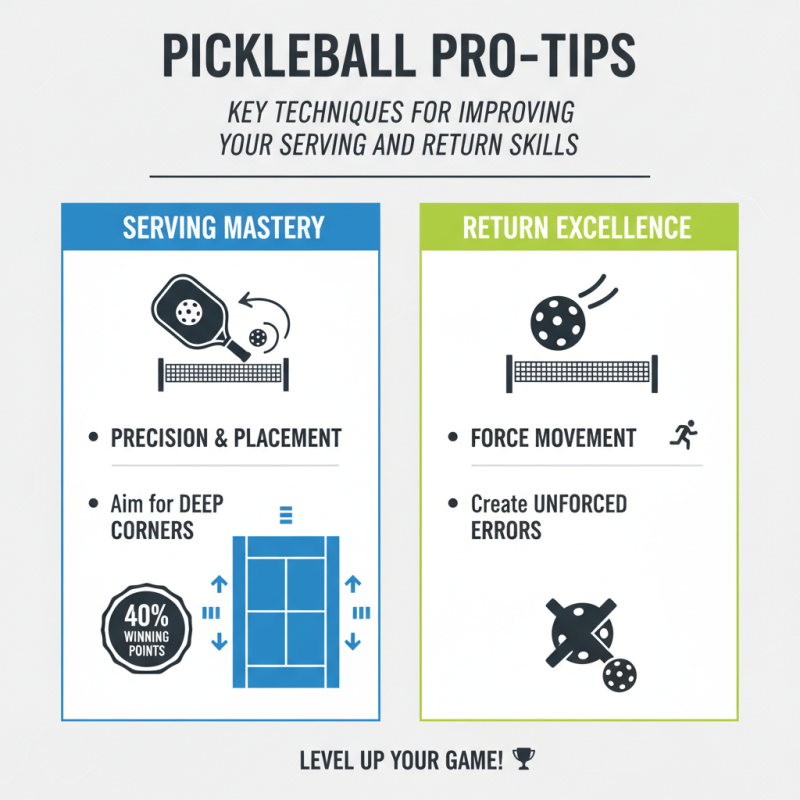
Tips: Focus on your serve. A strong and accurate serve is essential. Try different placements; aim for the corners. This can put pressure on your opponent. Lastly, remember the importance of communication. Talk to your partner during a doubles game. Misunderstandings can lead to lost points.
Master these rules and strategies, and you’ll be ready to enjoy the game.
Understanding the Court Layout and Equipment for Pickleball
Understanding the court layout and equipment for pickleball is
crucial for beginners. The court is smaller than a tennis court. It measures 20 feet wide
and 44 feet long for doubles play. The net is 36 inches high
at the sidelines and 34 inches in the middle. Familiarizing yourself with these measurements helps
improve spatial awareness during gameplay.
Pickleball paddles are generally lightweight and made from various materials. Choosing the
right paddle can feel overwhelming. Beginners often overlook the grip size, which significantly impacts
control. Proper footwear is also essential. Pick the right shoes to prevent slips. A good pair provides
traction on the court's smooth surface.
Learning the rules is just as important. Many beginners misjudge the non-volley zone,
commonly called the kitchen. This area extends 7 feet from the net.
Stepping into this zone while volleying can result in losing the point. Practicing awareness of court boundaries and zones will enhance overall
performance. Mistakes happen frequently, but each game offers a chance to improve. Embrace the learning curve
and enjoy the process.
Effective Communication and Positioning with Your Partner
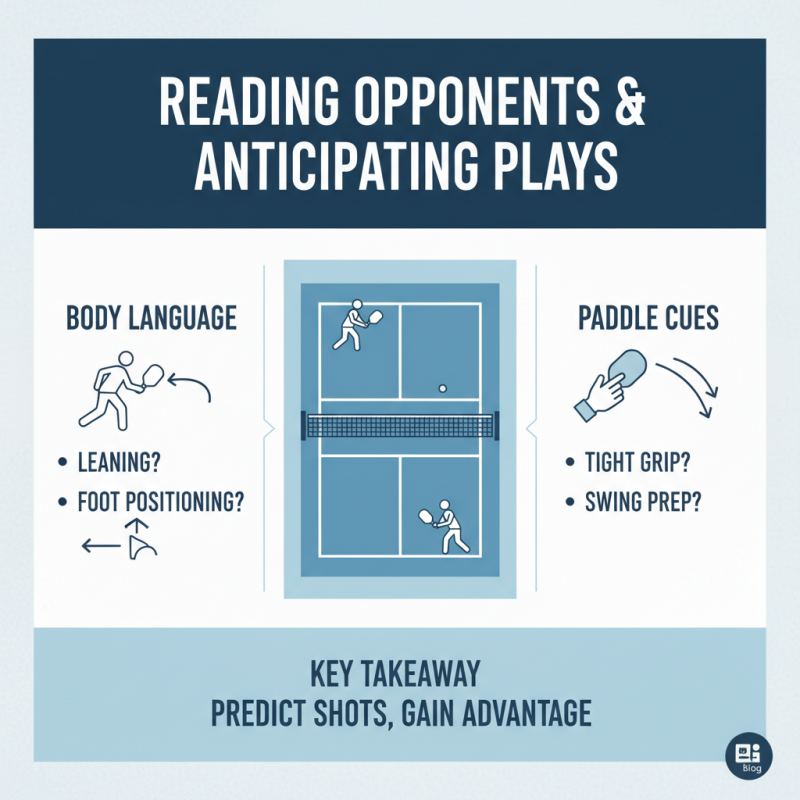
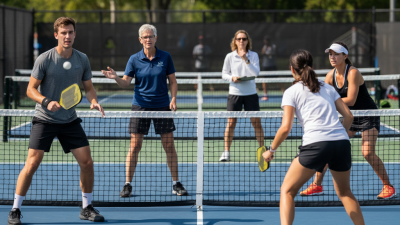
Effective communication with your partner can significantly elevate your pickleball game. Clear signals during a match are crucial. Use simple hand gestures to indicate when to attack or retreat. A nod can mean “let’s switch” or a quick wave can suggest “take the shot.” By establishing these non-verbal cues, you maintain flow and minimize confusion.
Positioning is equally vital for beginners. Understanding where to stand in relation to your partner helps create a solid defensive wall. Ideally, keep your feet shoulder-width apart, ready to move quickly. When one of you approaches the net, the other should cover the back. This requires trust and an understanding of each other’s strengths. Sometimes, you may misjudge the distance or timing, leading to awkward exchanges. Reflecting on these moments can reveal areas for improvement and better teamwork.
Remember, mistakes are part of the learning curve. Perhaps you both rush to the net or hesitate on a shot. Discuss these lapses openly, as they often offer the best lessons. Even advanced players face challenges. Practice will enhance both your communication and positioning on the court. By embracing the learning process, you can build a stronger partnership.
Best Professional Pickle Ball Strategies for Beginners
| Strategy |
Description |
Benefits |
Best Used In |
| Effective Communication |
Use clear calls and signals to coordinate movements and shots. |
Reduces confusion, enhances teamwork and strategy. |
Doubles matches, when playing with a partner. |
| Positioning |
Maintain optimal spacing and positioning relative to your partner. |
Maximizes coverage of the court, minimizes gaps. |
During rallies, especially in service situations. |
| Shot Selection |
Choose shots that complement your partner’s position and strengths. |
Enhances the effectiveness of each player's strengths. |
Various situations, dependent on opponent positioning. |
| Anticipation |
Predict the opponent's next move to prepare your response. |
Improves reaction time and prepares for effective counterplay. |
During fast-paced exchanges at the net. |
| Practice Drills |
Engage in drills that promote teamwork and positioning.
|
Builds consistency, confidence, and familiarity with partner. |
Training sessions before matches. |

 +86 18033331305
 CONTACT NUMBER
 CONTACT NUMBER