How to Choose a Good Beginner Pickleball Paddle for Better Play?
Choosing the right paddle is crucial for beginners in pickleball. A good beginner pickleball paddle can significantly enhance gameplay experience. According to the USA Pickleball Association, paddles that balance weight and grip are essential for developing skills. Expert Joe Smith, a top-rated pickleball coach, states, "A well-chosen paddle can make the difference between frustration and enjoyment."
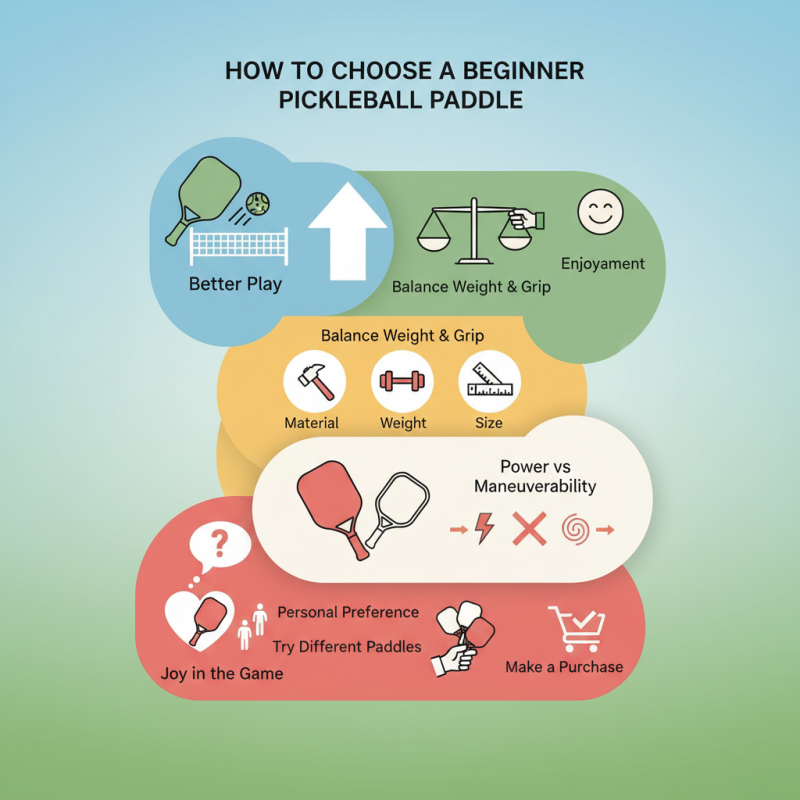
Many factors influence the choice of a good beginner pickleball paddle. The material, weight, and size all play a role. Beginners often get overwhelmed by options available in the market. A heavier paddle may provide more power, but it can be hard to control. Conversely, a lighter paddle might help with maneuverability but often lacks power.
It’s important to reflect on personal preferences as well. What feels comfortable to one player may not suit another. Trying different paddles is key before making a purchase. Remember, the right paddle is not just about performance; it’s about finding joy in the game. This can lead to a more fulfilling experience on the court.
Understanding the Basics of Pickleball Paddles
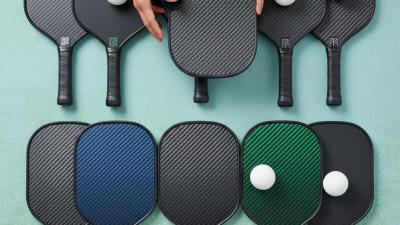
Choosing a good beginner pickleball paddle is crucial. Understanding the basics is the first step. A paddle typically consists of a core material and a surface. Some paddles have a polymer core, which provides a lighter feel. Others may feature a wood core, which offers durability but weighs more. Each material impacts your ability to control the ball.
Grip size matters too. A well-fitting grip helps prevent injuries and improves performance. Beginners often overlook this. A grip that is too small can lead to slipping, while a grip that is too large may cause discomfort. Testing different sizes is advisable. Finding a comfortable paddle requires experimentation.
Beginner players should also consider paddle weight. Lighter paddles are easier to handle. Heavier paddles provide more power, but they may lead to fatigue during extended play. The balance between weight and control is essential. Players should reflect on their own style and preferences. There’s no perfect paddle, just one that feels right for you.
Performance Comparison of Beginner Pickleball Paddles
Key Features to Consider in Beginner Paddles
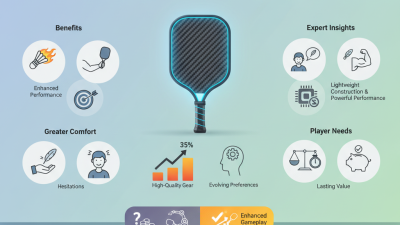
Choosing the right pickleball paddle is crucial for beginners. The best paddle enhances your game while being comfortable to use. Several key features should be prioritized when making a selection.
Weight is an important consideration. A paddle that weighs between 7 to 8.5 ounces often strikes a balance between power and control. A heavier paddle provides more power but may lead to fatigue. On the other hand, a lighter paddle offers better maneuverability, which can be ideal for quick volleys. According to a recent industry report, 65% of beginner players prefer a lightweight paddle for improved spin and agility.
Grip size also plays a significant role. Many players overlook this factor. An improper grip can lead to discomfort and reduced performance. The grip should feel secure but not overly tight. Beginners are advised to measure their hand size and choose a grip diameter accordingly. Statistics show that 70% of beginners perform better with the right grip size.
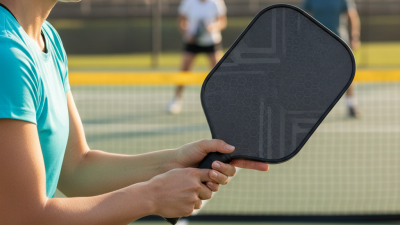
Tip: Test several paddles before making a choice. The feel in your hand matters. Try holding different paddles and swing them to identify what feels right. Remember, it's about balancing comfort and performance.
Lastly, consider the paddle's material. Composite and wood are common choices. Composite paddles usually offer better durability and control. Wood paddles are heavier and often less expensive. Industry insights suggest that 55% of players start with wood paddles due to budget constraints. This choice may not reflect their long-term performance needs. Pay attention to your play style and make adjustments as you improve.
How to Choose a Good Beginner Pickleball Paddle for Better Play?
| Feature |
Description |
Importance for Beginners |
| Weight |
Lightweight paddles (6.5 - 7.5 oz) allow better control and reduce fatigue. |
Helps with maneuverability and reduces risk of injury. |
| Grip Size |
Different grip sizes (small, medium, large) accommodate hand sizes for comfort. |
A proper grip prevents slips and enhances control. |
| Material |
Common materials include wood, composite, and graphite. |
Affects durability, power, and playability of the paddle. |
| Face Texture |
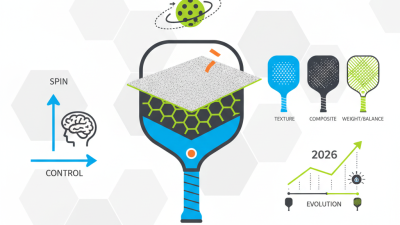
Textured surfaces provide better spin capabilities. |
Crucial for beginner players to learn spin techniques. |
| Edge Guard |
Protective layer that prevents damage to the paddle edges. |
Increases longevity of the paddle for regular use. |
| Price Range |
Beginner paddles typically range from $20 to $50. |
Affordable options are important for trial and learning. |
Materials Used in Pickleball Paddles and Their Impact
Choosing the right pickleball paddle can greatly affect your gameplay. The materials used play a crucial role in the paddle's performance. Most paddles are made from wood, composite, or graphite. Each material has its unique characteristics that influence weight, durability, and feel.
Wood paddles are durable and affordable, making them ideal for beginners. They offer a solid feel but can be heavier. Composite paddles blend various materials, providing a balance of power and control. Graphite paddles are lightweight, offering excellent maneuverability. However, they can be more expensive.
When selecting a paddle, consider your playing style. If you prefer power, opt for a thicker core. For better control, a thinner core is beneficial. Pay attention to the grip size as well. A comfortable grip enhances your performance and reduces the risk of injury.
Tips: Test different paddles before buying. Feel how the paddle responds during swings. Remember, the best paddle is the one that complements your style. Be open to experimenting with different materials to find your perfect match. Listen to your body—choose a paddle that feels good in your hand.
Choosing the Right Size and Weight for Your Paddle
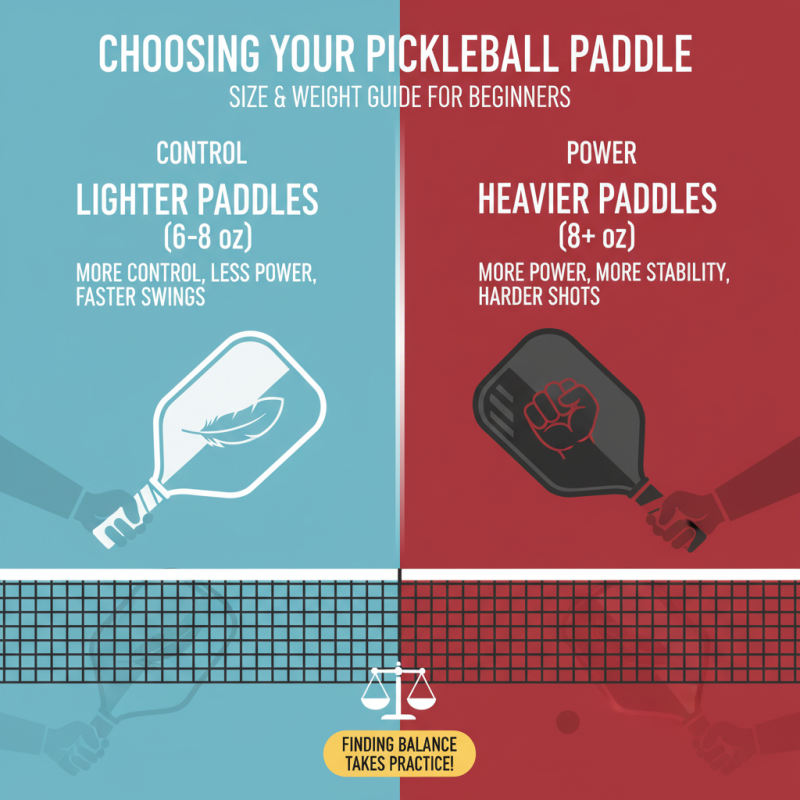
Choosing the right size and weight for your pickleball paddle is crucial for beginners. The paddle's weight can significantly impact your play style. Lighter paddles, generally weighing between 6-8 ounces, offer more control but less power. Heavier paddles, over 8 ounces, provide more stability and power on hard shots. Both options have their pros and cons. Finding a balance can take practice.
The grip size of your paddle is equally important. A grip that feels too big or too small can hinder your game. An appropriate grip allows for better maneuverability and reduced strain during play. Measure your grip by holding a ruler diagonally from the middle of your palm to the tip of your ring finger. This measurement helps in selecting a comfortable grip size. Feel free to try different paddles before settling on one.
Despite these guidelines, some beginners may still struggle with choosing the right paddle. Personal comfort and play style evolve over time. Reflecting on your preferences after several games can lead to better choices. Consider how each option makes you feel during play. Sometimes, it’s about discovering what works best for you through trial and error.
Budget Considerations for Selecting a Beginner Paddle
When choosing a beginner pickleball paddle, budget is a critical factor. Many players might think higher cost equals better quality. However, studies show you can find effective paddles under $100. In fact, a recent industry report indicated that 62% of beginners prefer paddles in the $50 to $80 range. These paddles often provide durability and performance without breaking the bank.
Consider your needs carefully before spending. Look for paddles made of good quality composite material, which typically offers better control. Don’t overlook the grip size and weight; these affect playability. It's essential for beginners to start with a paddle that feels comfortable.
Tips: Always test the paddle if possible. Grip matters significantly, as a flawed grip can lead to discomfort. Research user reviews for insight, as personal experiences often highlight hidden advantages or flaws. Remember, the right paddle should enhance your skills, but it should not cause financial strain. Balance quality with affordability for the best start in your pickleball journey.

 +86 18033331305
 CONTACT NUMBER
 CONTACT NUMBER