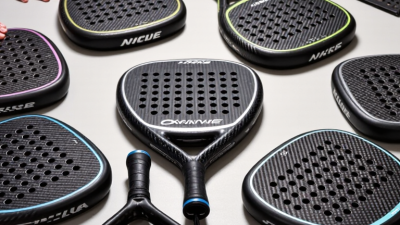
How to Choose Professional Pickle Ball Equipment in 2026?
Choosing Professional Pickle Ball equipment in 2026 requires more than selecting the most expensive paddle. Serious players need equipment that matches their playing style, physical condition, and competitive goals. A control-focused player may prefer a thinner, softer paddle, while an aggressive player might value greater power and stability. The right choice should feel balanced in your hand, not impressive only on a product page.
Small details matter. Check the paddle’s weight, grip circumference, surface texture, core construction, and edge protection. Hold it for several minutes. Does your wrist feel strained? A comfortable grip can reduce unnecessary tension during quick exchanges at the kitchen line. Shoes deserve equal attention. Court-specific soles, firm heel support, and breathable uppers can improve movement and confidence on indoor or outdoor surfaces. Do not overlook the ball.
Quality evidence matters.
In 2026, buyers should review manufacturer specifications, independent testing, warranty terms, and equipment approval from relevant governing organizations. Professional Pickle Ball gear should support consistent performance while meeting competition requirements. Experienced coaches and reputable retailers can offer useful feedback, especially when online reviews disagree. Still, no recommendation is perfect. Personal testing remains essential.
A paddle praised by a touring athlete may feel awkward for a recreational competitor. Even experts can overlook changing preferences, budget limits, or previous injuries. Compare carefully, test responsibly, and record how each product performs after several sessions. The best equipment is not always the newest. It is the equipment that remains reliable, comfortable, and suitable when every point becomes demanding.
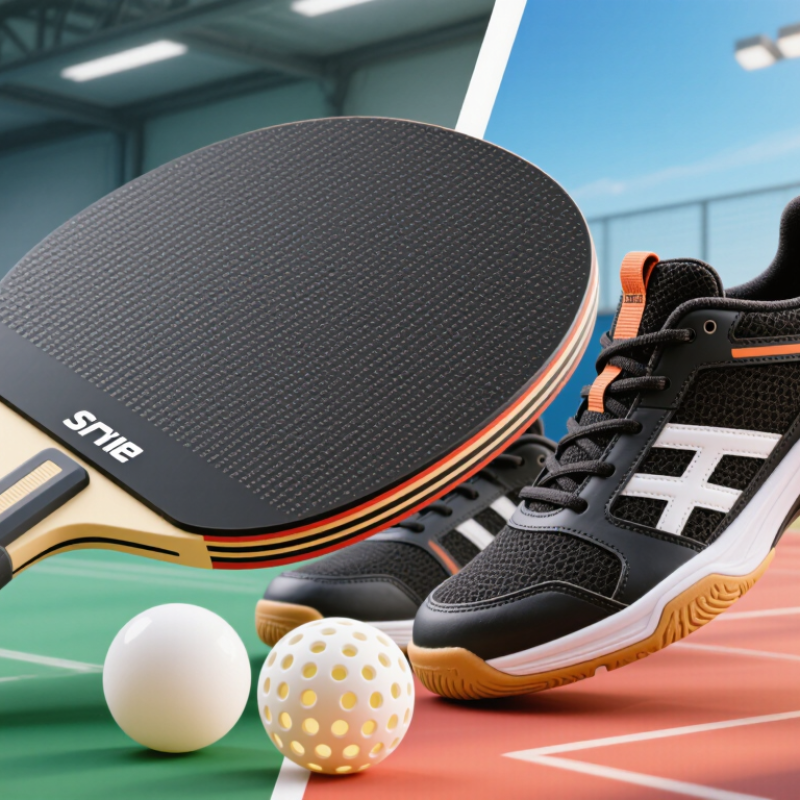
Defining Professional Pickleball Equipment Standards for 2026
How to Choose Professional Pickleball Equipment in 2026?
Professional pickleball equipment in 2026 should begin with measurable standards, not attractive packaging. The SFIA 2025 Topline Participation Report recorded 19.8 million U.S. players in 2024, showing a larger and more demanding playing market. More players mean greater pressure for consistent testing, safer materials, and reliable performance.
Choose a paddle that follows current USA Pickleball equipment specifications. Its total length and width must remain within the 24-inch combined limit, with a maximum length of 17 inches. Check the grip carefully. It should feel secure without forcing your wrist into tension. Fit matters. A slightly heavier paddle can improve stability during fast exchanges, but it may also expose slow preparation or elbow fatigue.
Use balls with approved dimensions, weight, bounce, and hole patterns. USA Pickleball standards specify a diameter of 2.87–2.97 inches and a weight of 0.78–0.935 ounces. Outdoor balls also need predictable flight in wind and heat. I have found that surface texture changes noticeably after repeated court contact. That detail is easy to ignore. It should not be. The International Federation of Pickleball’s equipment framework also emphasizes uniform testing and play characteristics. Still, professional judgment matters because laboratory approval cannot measure every player’s comfort, timing, or confidence. Test equipment on the actual court, under realistic conditions, before making a final choice.
Identifying the Right Paddle Materials, Shape, Weight, and Grip
Choosing professional pickleball equipment in 2026 starts with the paddle, not the price tag.
In coaching sessions, I compare paddle behavior during soft dinks, quick resets, and hard drives. Carbon fiber faces often provide a textured feel and controlled contact. Fiberglass can feel livelier, especially for players needing extra rebound. Composite surfaces sit between these options, but their response varies by construction. Material names alone can mislead. Ask about durability data, edge protection, and testing information from a qualified seller.
Shape changes more than appearance.
A widebody paddle offers a larger sweet spot and steadier defense. An elongated shape adds reach and leverage, yet it can punish off-center contact. A moderate length is often easier to manage. Weight deserves a real test. A lighter paddle may improve hand speed at the kitchen line. A heavier model can stabilize blocks and return energy. However, excessive weight may strain the wrist or elbow. I once preferred a heavier setup, then noticed slower resets after long games. That mistake changed my fitting routine.
Grip size should let your fingers wrap comfortably without squeezing.
Measure your hand, then test the handle with an overgrip. A secure grip matters more than a fashionable shape. Check circumference, handle length, cushioning, and sweat absorption. The handle should stay quiet during a full swing. Try several paddles for at least ten minutes. Short trials can hide fatigue. Record mishits, vibration, and control during defensive shots. Specifications help, but repeated contact remains your most reliable evidence.
Selecting Pickleball Balls for Tournament-Level Performance
How to Choose Professional Pickle Ball Equipment in 2026?
Tournament-level pickleball begins with the ball, not the paddle. The 2025 SFIA Topline Participation Report recorded 19.8 million U.S. players in 2024. That growth increases demand for consistent competition equipment. According to USA Pickleball equipment standards, an approved ball should measure 2.87–2.97 inches in diameter and weigh 0.78–0.935 ounces. Its bounce must reach 30–34 inches when dropped from 78 inches. These details sound technical. They change rallies.
Check the official approval list before buying tournament balls. Outdoor balls usually require stronger construction and controlled wind response. Indoor balls often feel softer and move differently on smooth courts. Look for even hole spacing, a stable seam, and a round shape under bright court lighting. Spin a sample ball on a flat surface. Excessive wobble suggests poor balance. Test several balls in the same temperature, because cold conditions can make plastic feel harder. Small differences matter.
Do not trust packaging alone. Competitive rules may vary by event, even when equipment meets general standards. A ball can pass a specification test yet feel too fast for your playing style. I learned this after choosing a durable outdoor ball that produced unpredictable rebounds on a colder court. The mistake was mine. I tested durability, not match behavior. Record bounce height, flight stability, and surface wear during practice. Then compare those notes with tournament regulations and player feedback.
How to Choose Professional Pickleball Equipment in 2026?
Selecting Pickleball Balls for Tournament-Level Performance
For tournament-level play, select balls that remain within published equipment limits for diameter, weight, bounce height, and hole count. The acceptable ranges shown here are commonly used tournament specifications; always confirm the current rules of the event organizer before purchasing.
Comparing Equipment Quality, Certification, Technology, and Value
How to Choose Professional Pickle Ball Equipment in 2026?
The 2024 SFIA Topline Participation Report recorded 13.6 million U.S. pickleball participants in 2023. That 51.8% annual increase has expanded equipment choices, but not necessarily equipment quality.
Start with certification. Check whether the paddle appears on the current USA Pickleball approved equipment list. Certification confirms rule compliance, not perfect durability. That distinction matters.
Inspect the paddle’s edge guard, face texture, grip length, and weight balance. A rough surface can improve spin, while excessive texture may wear quickly. Polymer cores can soften after repeated outdoor heat exposure. Listen for rattling. It is a small warning sign.
For balls, examine roundness, seam consistency, and rebound behavior on a hard court. Certified balls should still match your playing environment, because outdoor wind changes flight noticeably.
Technology should solve a playing problem, not create marketing noise. Carbon surfaces, thermoformed construction, and vibration-control layers can improve control or comfort. They may also increase price and reduce forgiveness for beginners.
Try several weights before buying. A lighter paddle may protect the wrist, while a heavier model can add stability near the kitchen line.
Value means usable performance over time. Record your playing frequency, replacement costs, and warranty terms. I once favored the most advanced construction and ignored grip fatigue. That was an expensive mistake.

 +86 18033331305