Top Padel Ball Racket Types for Every Player's Style and Skill Level?
The Padel Ball Racket market has seen significant growth. According to recent reports, the number of padel players has increased by over 30% in the past year. This trend highlights the sport's rising popularity and the importance of selecting the right equipment.
Different players have distinct styles and skill levels, leading to varying preferences in racket types. From beginners to professionals, each player requires a padel ball racket that suits their game. Research shows that the right racket can enhance performance and improve player enjoyment.
Choosing the ideal racket often involves examining control, power, and weight. A common mistake for new players is to select a racket based solely on aesthetics, overlooking essential factors. Ultimately, understanding the nuances of different racket types can lead to a more gratifying experience on the court.
Understanding Padel Racket Types: A Comprehensive Overview
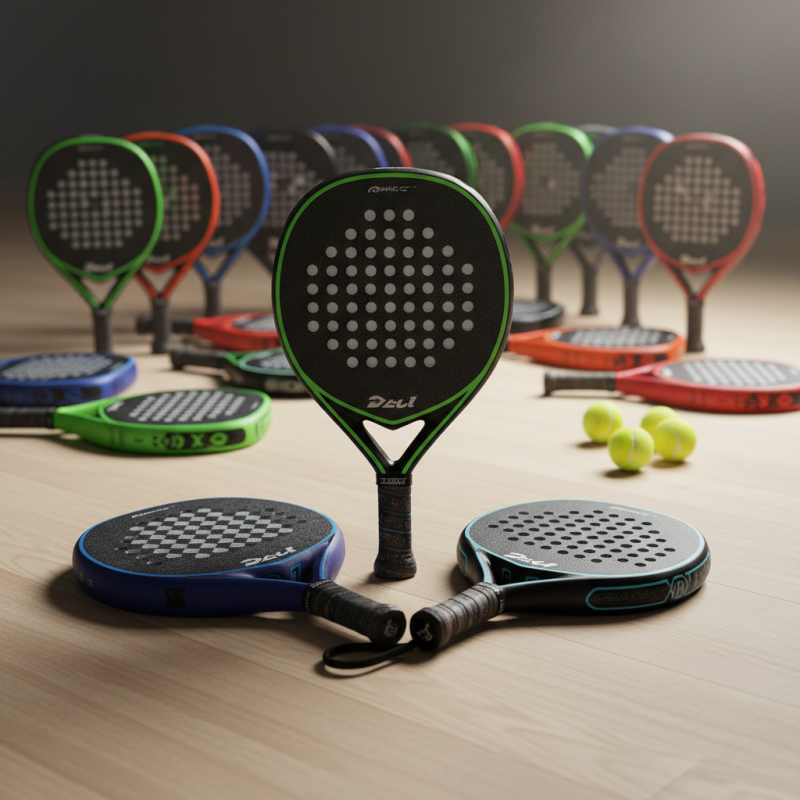
When exploring padel rackets, it's crucial to understand their types to enhance your game. Padel rackets primarily fall into three categories: power, control, and all-around. Power rackets typically feature a larger sweet spot, catering to those who rely on strong, aggressive shots. Control rackets, on the other hand, have a smaller head and are designed for precision, beneficial for players who focus on tactics and placement.
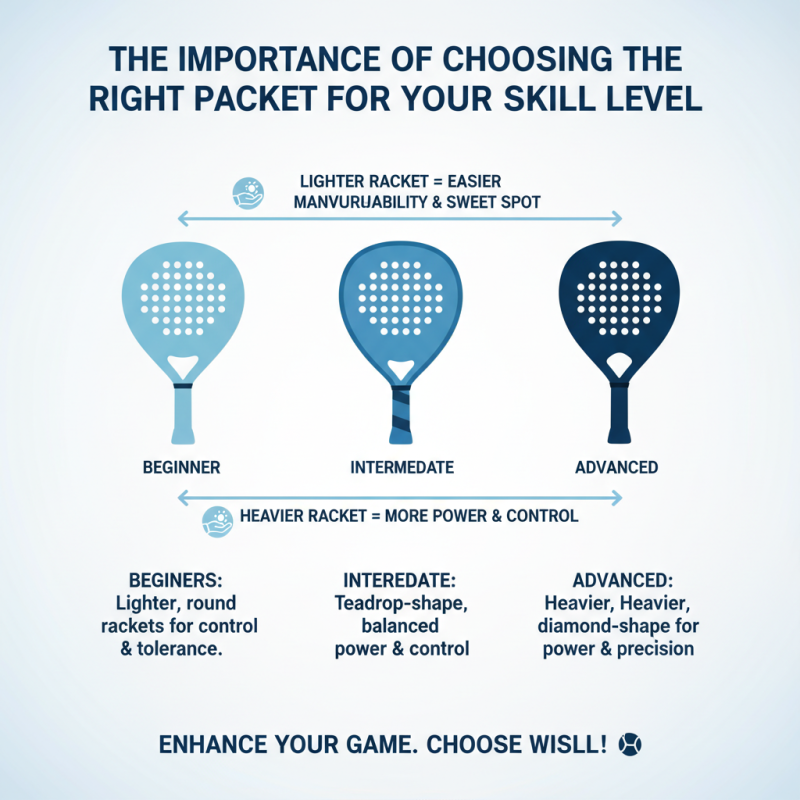
Recent reports from industry leaders indicate that 62% of players prefer all-around rackets for their balance and versatility. These rackets combine elements of power and control, making them ideal for various playing styles. Beginners may gravitate towards lighter rackets, which allow for easier maneuverability. According to a survey, nearly 48% of beginner players reported improved performance with these options.
Tip: When choosing a racket, consider your playing style and skill level. Holding a racket in your hand can give you a better sense of balance and comfort. Also, pay attention to the racket weight; a heavier model can increase swing power but may tire you out during long matches. Reflect on your playing experience and adjust accordingly. Adjusting grip size can also impact your control and comfort.
Key Features to Consider in Padel Racket Selection
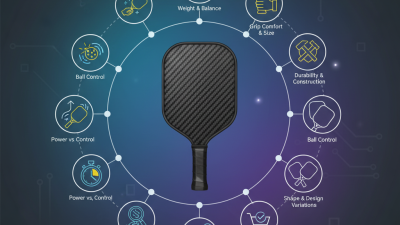
When selecting a padel racket, key features play a crucial role. The balance of power and control is essential for every player. Rackets typically fall into three categories: power, control, and balance. Knowing your playing style helps you choose the right type. A player who enjoys smashing will prefer a racket focused on power. However, control-oriented players may need a more balanced or control-focused racket.
Another important aspect is the weight of the racket. Heavier rackets can provide more power, but they might tire a player quickly. A lighter racket allows quicker movements and faster swings. Players should assess their stamina and strength before making a choice. Grip size is also critical. An incorrect grip can lead to discomfort and potential injuries.
Finally, the material of the racket affects its performance. Carbon fiber and fiberglass are common materials. While carbon provides durability, fiberglass offers flexibility. Each material brings unique benefits and limitations. Taking the time to understand these features is vital for making an informed decision. Remember, your choice can impact your game significantly and might require some trial and error before finding the perfect fit.
Top Padel Ball Racket Types for Every Player's Style and Skill Level
| Racket Type |
Player Level |
Material |
Weight (grams) |
Grip Size |
Shape |
Key Features |
| Control Racket |
Beginner |
Fiberglass |
350-370 |
Grip 2 |
Round |
Excellent control, forgiving sweet spot |
| Power Racket |
Intermediate |
Carbon Fiber |
360-380 |
Grip 3 |
Teardrop |
Enhanced power, good for offensive play |
| Multifunctional Racket |
Advanced |
Graphite |
370-390 |
Grip 4 |
Diamond |
Versatile, balance of power and control |
| Junior Racket |
Youth |
Composite |
300-340 |
Grip 1 |
Round |
Lightweight, easy handling |
Top Padel Racket Styles for Beginner Players: A Guide
Padel is an exciting sport that is growing rapidly. For beginners, selecting the right racket can significantly impact performance and enjoyment. New players often feel overwhelmed by the variety of options available. It's essential to understand that the right racket can enhance your skills while helping you progress.
Beginner players should focus on rackets that offer a good balance of power and control. A lightweight racket often aids in handling, allowing for quick maneuvers on the court. Look for rackets with a wider head for a larger sweet spot. This design minimizes the risk of mishits during learning. Choosing a racket with a softer core can provide better shock absorption. It helps reduce strain while developing your swing.
Many new players overlook the importance of grip size. A comfortable grip leads to better control but can be tricky for beginners. Practicing with various sizes can help you find what feels best. When starting, don’t worry about having the latest equipment. Focus on developing your technique instead. It’s more about how you play than what you hold. Reflect on your preferences. Take your time to explore different styles. Each game is a new opportunity to learn and improve.
Advanced Padel Racket Options for Competitive Players
Choosing the right padel racket is essential for competitive players. Advanced players often seek specific features that enhance their performance. The weight, balance, and shape of the racket impact control, power, and spin. Many players prefer heavier rackets as they provide more stability during intense matches.
Material quality also plays a crucial role. High-grade carbon fiber is popular for its durability and responsiveness. A well-constructed racket not only enhances gameplay but also reduces the risk of injuries. The grip size and comfort should not be overlooked. A suitable grip prevents slippage during fast-paced exchanges.
However, finding the perfect racket can be a challenging journey. Players may feel overwhelmed by the numerous options available. Testing different styles and weights is vital for personal preference. It’s easy to get discouraged if the first choice doesn’t work out. Keeping an open mind is key to evolving as a player. Each experience brings valuable insights that guide future selections.

 +86 18033331305
 CONTACT NUMBER
 CONTACT NUMBER