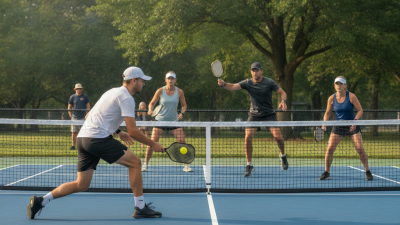
How to Start Playing Pickleball for Beginners Tips and Tricks?
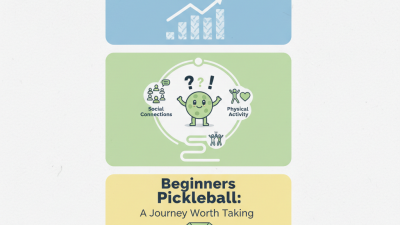
Pickleball has rapidly gained popularity among sports enthusiasts of all ages. According to the Sports & Fitness Industry Association, participation in pickleball increased by 21.3% from 2019 to 2021. This surge indicates a growing interest in "Beginners Pickleball," making it an opportune time for newcomers to join this dynamic sport.
Tom McMahon, a recognized pickleball instructor, emphasizes that "Success in beginners pickleball hinges on understanding the basics rather than complicating the game." This advice resonates well as beginners often feel overwhelmed by the numerous techniques and strategies available. Focusing on fundamental skills can enhance enjoyment and encourage consistent practice.
While the path to becoming proficient in pickleball can be challenging, embracing the learning curve is essential. Beginners should expect mistakes—every misstep is a chance to grow. Setting realistic goals and engaging with the community can provide both support and motivation. Through dedication and the right guidance, beginners can thrive in the exciting world of pickleball.
Understanding the Basics of Pickleball: Rules and Equipment
Pickleball is a unique sport that combines elements of tennis, badminton, and table tennis. To play, you need a few essential items: a paddle, a plastic ball with holes, and a court. The courts are smaller than tennis courts. They measure 20 feet wide and 44 feet long. Each side has a 7-foot non-volley zone, often called the "kitchen." Understanding these dimensions is key for beginners.
Serving is crucial in pickleball. The serve must be done underhand. The paddle must contact the ball below the waist. Players aim for the opponent's backcourt. This can be tricky for newcomers. There's also a rule about double bouncing. After the serve, the ball must bounce once on each side before players can volley. Remembering these rules takes practice.
As you start, focus on footwork and positioning. Many beginners struggle with these aspects. It’s essential to stay light on your feet and to be ready. Watching experienced players can help. They often have skills that seem effortless. Reflect on your mistakes during practice. This will help you improve. Embrace the learning curve and enjoy the game.
Pickleball Popularity Growth Over the Years
Choosing the Right Paddle and Ball for Your Pickleball Game
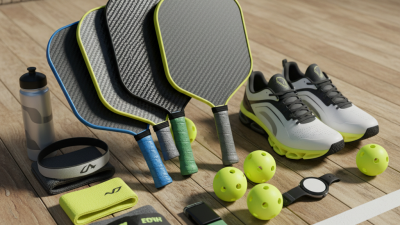
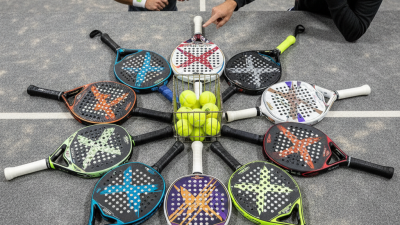
Choosing the right paddle and ball is crucial for your pickleball game. Beginners often find themselves overwhelmed by the variety of options available. Research indicates that the paddle's weight, grip size, and material significantly impact performance. A lighter paddle allows for quicker swings, while a heavier paddle provides more power.
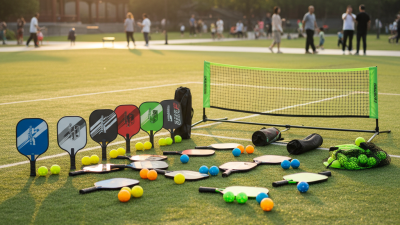
When selecting a ball, you need to consider the playing surface and conditions. Indoor balls are usually designed with smaller holes. This results in less wind interference. Outdoor balls, on the other hand, have larger holes to withstand outdoor elements. According to the USA Pickleball Association, using the appropriate ball can enhance your overall gameplay.
Tips: Start with a mid-weight paddle that balances power and control. A paddle weighing around 7.5 to 8.5 ounces is ideal. Ensure that the grip fits your hand comfortably to avoid strain. As for balls, always opt for those specifically designed for your intended playing environment. Test different options to find what feels best.
Reflect on your initial choices. Sometimes, what seems ideal might not suit your style. Experimentation is part of the learning curve. Gather feedback from experienced players. This way, you can refine your equipment choices and improve your game steadily.
How to Start Playing Pickleball for Beginners Tips and Tricks? - Choosing the Right Paddle and Ball for Your Pickleball Game
| Aspect |
Paddles |
Balls |
| Material |
Composite, Wood, Graphite |
Plastic, Indoor, Outdoor |
| Weight |
6 to 8.5 oz |
0.8 to 0.9 oz |
| Grip Size |
Variable (Small, Medium, Large) |
N/A |
| Price Range |
$20 - $150 |
$7 - $15 |
| Recommended For |
Beginners to Advanced |
All Skill Levels |
Essential Techniques for Beginners: Serving, Hitting, and Scoring
Pickleball is gaining popularity. It combines elements of tennis, badminton, and table tennis. Beginners often find it accessible and fun. As you start, mastering the essential techniques is vital. Focus on serving, hitting, and scoring.
Serving is your first step. A good serve sets the tone for each point. Stand behind the baseline and use an underhand or overhand motion. Aim for the diagonal service box. Practicing your serve can improve your game dramatically. According to a 2021 survey by the USA Pickleball Association, 59% of players believe a strong serve is essential for success.
Hitting is vital too. Use a paddle to strike the ball effectively. Focus on your grip and stance. Stay balanced and position yourself where the ball will come. Control your swing to place the ball precisely. Many beginners overlook footwork, yet it's crucial. Adjust your position quickly to hit the ball accurately.
Scoring in pickleball is unique. Points only occur during your serve. Play to 11 points, winning by at least 2. Understanding the scoring rules can help you stay focused and strategic. Many beginners get frustrated with scorekeeping. Reflecting on errors in tracking points can enhance your game's flow.
Tips: Regular practice is key. Spend time serving and hitting with friends. Join local groups to play regularly. Engage with experienced players for feedback. One-on-one practice can help reinforce your skills.
Strategies for Playing Singles vs. Doubles in Pickleball
When playing pickleball, understanding singles and doubles is crucial. In singles, you rely more on your endurance and strategy. The court seems vast when it's just you. Focus on creating angles and using your strengths. Good footwork is essential. Positioning is everything; always be ready to move.
In doubles, communication is key. You need to work with your partner smoothly. Develop strategies for covering the court together. Assign specific areas each player is responsible for. This eliminates confusion and allows for better defense. Make eye contact to signal plays.
Tips for success include practicing regularly. Consistency helps build confidence. Work on serving and returning. In singles, aim for deep shots. For doubles, practice quick volleys. Don’t forget, mistakes are part of learning. Reflect on your game to improve. Embrace the challenges and enjoy the process.
Finding Local Courts and Joining Pickleball Communities for Practice
Finding local courts is essential for beginners looking to dive into pickleball. Start by searching online for community centers or parks in your area that offer facilities. Many cities now promote outdoor pickleball courts. Your local YMCA or recreation department may also host sessions. Don’t hesitate to reach out directly and ask about available times for practice.
Joining pickleball communities can enhance your experience. Look for local clubs or groups on social media platforms. These spaces are often welcoming and provide opportunities for beginners to connect with experienced players. Participating in group practices will help you improve faster. Remember, everyone was a beginner once. Some groups even host events where you can meet fellow enthusiasts.
It can be a bit overwhelming at first, and that's okay. Your goal is to enjoy the game and learn from others.

 +86 18033331305
 CONTACT NUMBER
 CONTACT NUMBER