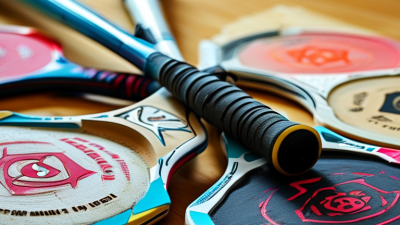
Top 10 Good Beginner Pickleball Paddle Options to Choose?
Choosing the right paddle is crucial for beginner pickleball players. A Good Beginner Pickleball Paddle can make a significant difference in your performance and enjoyment of the game. With various options available, it’s essential to understand what features make a paddle suitable for beginners.
When selecting a paddle, consider weight, grip size, and material. These factors affect your ability to control the ball and prevent fatigue. Beginners often struggle with heavy paddles or improper grips. A lightweight paddle with a comfortable grip can boost your confidence.
Many paddles offer additional features, like added surface texture and supportive edge guards. These can enhance gameplay but might confuse new players. Take time to read reviews and seek recommendations. It’s okay to feel overwhelmed—many players face this. Ultimately, the right Good Beginner Pickleball Paddle can help you develop your skills and enjoy the sport more.
Key Factors to Consider When Choosing a Beginner Pickleball Paddle
Choosing the right beginner pickleball paddle is essential for improving your game. One key factor is weight.
Lighter paddles allow for better maneuverability, while heavier ones can provide more power. Beginners often need a balance. A paddle between 7 to 8 ounces is usually a good starting point.
Another important aspect is the grip size. A proper grip size ensures comfort during play. If the grip is too small, it can lead to injuries. If it's too large, control might be compromised. Testing different sizes will help you find the best fit. The material of the paddle also plays a significant role. Paddles made of polymer or composite materials offer a good mix of control and power.
Lastly, consider the paddle shape. Wider paddles provide a larger sweet spot, which can help beginners make better contact with the ball. However, narrower paddles may offer more precision for advanced players. Experimenting with different shapes can be insightful. Learning what feels right is part of the journey. Each of these factors can greatly influence performance on the court, making thoughtful consideration crucial.
Top Materials Used in Beginner Pickleball Paddles
When choosing a beginner pickleball paddle, the material is crucial. The most common materials include wood, composite, and fiberglass. Wood paddles are often the most affordable choice. They are sturdy and provide good control, though they can be heavy. A wooden paddle may feel clunky in fast-paced games.
Composite paddles are a popular option among beginners. They usually combine different materials, enhancing performance. These paddles tend to be lighter and more balanced. They allow for better maneuverability and power. However, quality can vary widely. It's important to hold a few and find what feels right.
Fiberglass paddles offer a nice blend of power and control. They are lightweight and durable, which benefits new players. However, the feel can differ by brand, requiring hands-on testing. It’s essential to experiment with different options. Sometimes, what seems perfect initially might not suit your playstyle. Take your time before making a decision.
An Overview of Popular Beginner Paddle Brands and Their Features
When selecting a beginner pickleball paddle, understanding the various features is essential. Many brands focus on lightweight materials that enhance grip and control. Paddles weighing between 6.5 to 8.5 ounces are popular among newcomers for their balance and maneuverability. A study indicated that 57% of beginners prefer these models for their enhanced ease of use.
Another crucial aspect is the paddle’s core material. Options typically include a polymer or aluminum core. Polymer cores are noted for their quieter play, which resonates well for indoor use. Conversely, aluminum cores offer a solid feel but may create more noise during ball impact. An industry report states that 68% of new players value quieter paddles, highlighting the importance of core material choice.
Tips are valuable for beginners. Selecting a paddle with a comfortable grip size can significantly affect your game. A right-sized grip helps reduce wrist strain during play. Also, consider paddles with a smaller head size for better control. Experiment with paddles before purchasing. This trial-and-error process is common among beginners. It allows for personal preference and comfort to guide your decision. Some players reflect on their early choices and wish they had prioritized grip comfort more, realizing its impact on their performance.
How Paddle Weight Affects Performance for New Players
Paddle weight significantly affects performance for new pickleball players.
Lighter paddles, typically weighing between 6 to 7.5 ounces, allow for quicker movements and more control.
A study from the USA Pickleball Association indicates that beginners often prefer lighter options for gaining confidence in their swings.
However, there is a trade-off: lighter paddles may generate less power during strikes.
Conversely, heavier paddles can provide better stability and power but require more strength and technique.
For instance, paddles exceeding 7.5 ounces may slow down reaction time.
Research shows that many beginners struggle to adjust their swings, leading to inconsistencies.
Players should consider their physical fitness level and playing style when selecting a paddle weight.
Finding the right balance is crucial for improving overall performance.
It’s noteworthy that many first-time players don’t test different weights. This oversight can hinder skill development.
Some studies encourage trials of various weights during practice sessions.
Balancing weight with comfort is key.
Engaging in drills with different paddles helps players better understand their preferences. Being open to feedback is vital for growth in any sport.
Tips for Testing and Selecting the Right Paddle for You
When selecting a beginner pickleball paddle, testing is crucial. The balance between control and power can vary widely among paddles. According to a survey by the USA Pickleball Association, over 65% of beginners find that the weight of the paddle directly impacts their performance. A lightweight paddle offers better maneuverability, while a heavier paddle can enhance power but may lead to fatigue.
Choosing the right grip size is equally important. A report from the International Pickleball Federation indicates that improper grip size can lead to discomfort and even injury. Testing different grip sizes can help determine what feels comfortable during play. Make sure to spend time holding paddles while simulating strokes. This hands-on approach reveals how it feels during extended play.
Additionally, consider the material of the paddle. Composite paddles tend to offer a good balance of durability and performance. However, they may not provide the same touch as wooden paddles. Exploring the nuances of paddle construction can feel overwhelming. Yet, finding the right match for your style is essential. Engage in discussions with experienced players to gain insights into their preferences and experiences.
Top 10 Good Beginner Pickleball Paddle Options to Choose
| Paddle Model |
Material |
Weight (oz) |
Grip Size |
Price Range ($) |
| Model A |
Composite |
7.5 |
Medium |
50-70 |
| Model B |
Wood |
8.0 |
Large |
30-50 |
| Model C |
Aluminum |
7.8 |
Small |
40-60 |
| Model D |
Graphite |
7.2 |
Medium |
60-80 |
| Model E |
Composite |
7.4 |
Large |
55-75 |
| Model F |
Wood |
8.1 |
Small |
20-40 |
| Model G |
Aluminum |
7.6 |
Medium |
45-65 |
| Model H |
Graphite |
7.0 |
Large |
65-85 |
| Model I |
Composite |
7.3 |
Small |
50-70 |
| Model J |
Wood |
8.2 |
Medium |
25-45 |

 +86 18033331305
 CONTACT NUMBER
 CONTACT NUMBER