Top 10 Good Beginner Pickleball Paddles for New Players?
For new players diving into the world of pickleball, selecting a "Good Beginner Pickleball Paddle" is crucial. John Miller, a pickleball coach and author, emphasizes, "A solid paddle can make or break your first experience." This highlights the paddle's significance in learning the game effectively.
Choosing the right paddle determines not only your comfort but also your performance on the court. Many beginners may feel overwhelmed by options. Different paddles vary in weight, grip size, and materials. Finding a paddle that fits your style and needs can enhance your enjoyment and skill development.
However, many players rush this decision. They often prioritize aesthetics over functionality. This can lead to frustration on the court. Recognizing the characteristics of a "Good Beginner Pickleball Paddle" is essential. With thoughtful consideration, you can select a paddle that complements your journey in this exciting sport.
Understanding Pickleball Paddles: What New Players Need to Know
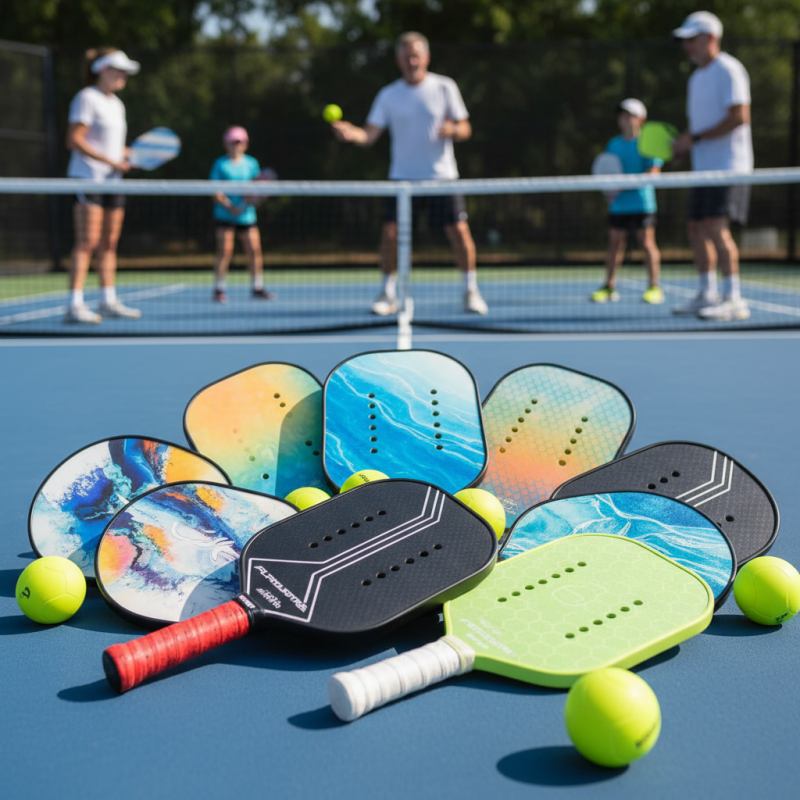
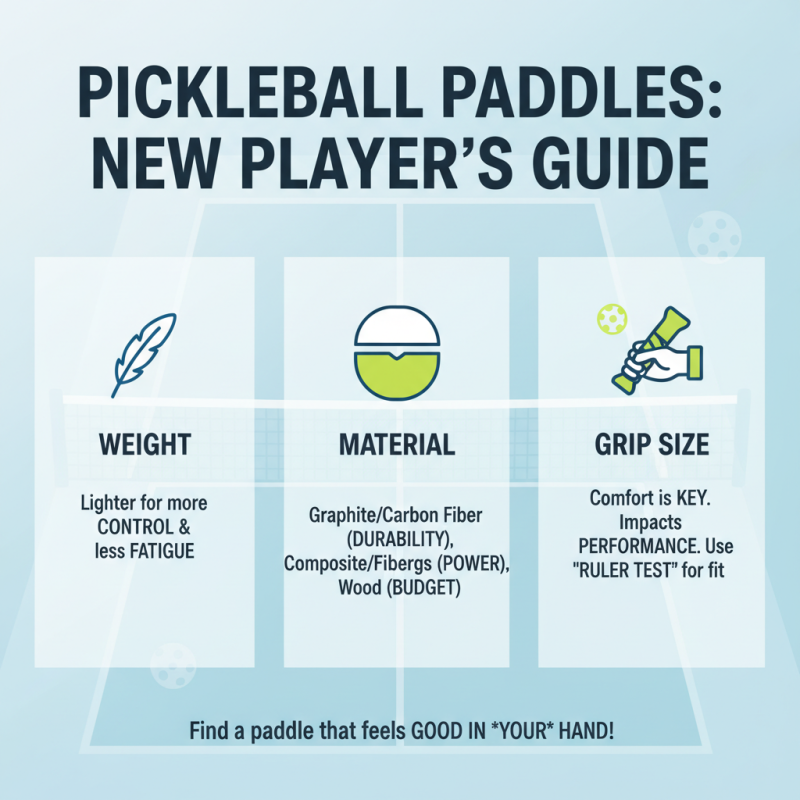
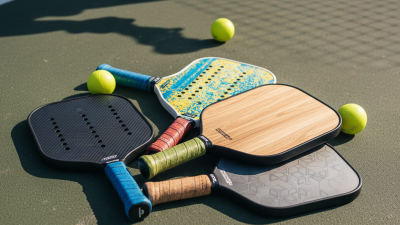
When starting out in pickleball, understanding the basics of paddles is crucial. Paddles vary in weight, material, and grip size, which can significantly affect your play. For beginners, lighter paddles offer more control and less fatigue during long games. Choosing a paddle that feels comfortable in your hand is equally important, as it impacts your overall performance.
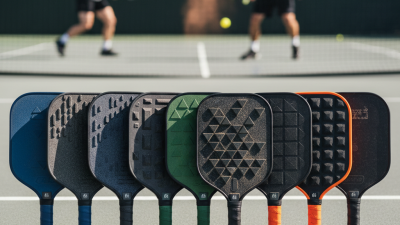
The material of the paddle also matters. Wooden paddles are often more affordable and durable, making them suitable for novices. However, composite paddles can enhance your gameplay with better ball control and power. Trying out different paddles can lead to valuable insights. What feels good in a store might not suit your style on the court.
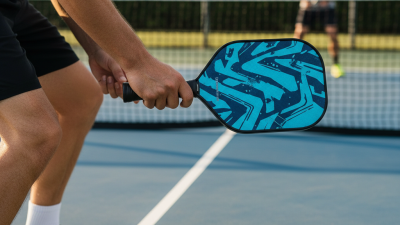
Gripping the paddle correctly is another area to consider. Many new players overlook grip size, but it can influence your strokes. If the grip is too small or large, it could hinder your swing and lead to discomfort. Don't hesitate to experiment with different sizes before committing to one. Every player’s journey is unique, and reflecting on your experiences will only deepen your understanding of the game.
Key Features to Look for in Beginner Pickleball Paddles
When starting pickleball, selecting the right paddle is crucial. A paddle's weight, grip size, and material significantly impact performance. Beginners should typically choose paddles weighing between 7 to 8 ounces. Heavier paddles can offer more power but may strain the arm over time. A balanced weight allows new players to control the ball better while developing their skills.
Grip size is equally important. Many beginners unknowingly choose grips that are too small or too large. According to the USA Pickleball Association, the ideal grip size leads to better control and comfort. Players should measure their grip with a simple technique. Holding the paddle, they should comfortably fit their fingers around the grip without straining.
Material plays a significant role as well. Paddles with a composite core provide a good mix of power and control. They are forgiving while maintaining enough pop for effective shots. However, beginner players may prefer a softer paddle face to allow for better touch and feel. This choice can greatly enhance their learning experience and boost confidence on the court. Choosing the right features will significantly impact a novice's enjoyment of the game.
Top Ten Beginner-Friendly Pickleball Paddles Reviewed
When stepping into the world of pickleball, having the right equipment is essential. Beginner-friendly paddles can make a significant difference in your gameplay. The best paddles for new players should be lightweight and easy to handle. A low-impact design helps beginners focus more on learning the rules instead of struggling with equipment.
Material and grip size also play critical roles. Most paddles are made of either wood or composite materials. Wood options are often cheaper but can be heavier. Composite paddles offer better control and are generally lighter. Choosing the correct grip size can prevent hand fatigue. Test various paddles to find what feels comfortable. Remember, the paddle should enhance your experience, not hinder it.
It's essential to reflect on your playing style. Do you prefer a more defensive game or an aggressive approach? This choice will impact your paddle selection. Some paddles may feel great in the store yet don't perform well during play. It’s normal to need some time to find the perfect fit. Embrace the learning curve and keep experimenting with your options. This journey will make you a better player, even if it involves some trial and error.
Top 10 Good Beginner Pickleball Paddles for New Players
Comparative Price Analysis of Beginner Pickleball Paddles
When entering the world of pickleball, choosing the right paddle is crucial for new players. A comparative price analysis reveals significant disparities among beginner paddles. The average cost for a decent beginner paddle ranges from $30 to $80. Interestingly, industry reports suggest that paddles priced around $50 tend to offer the best balance of quality and affordability. Players should be mindful that higher prices do not always guarantee better performance.
A recent survey indicated that around 70% of new players value cost over brand reputation. Many beginners make the mistake of overlooking critical features, such as weight and grip size, when selecting a paddle. For instance, lightweight paddles often enhance maneuverability, while the right grip size ensures comfort during long sessions. It's essential to remember that investing in a quality paddle can significantly impact one's learning curve and overall enjoyment of the game.
However, some new players may feel overwhelmed by the options available. The diverse range of choices sometimes leads to rushed decisions. A paddle that fits one player's style may not suit another. Thus, trying out different paddles in local clubs or shops is a practical way to refine preferences. The journey to finding the perfect paddle is more insightful than many realize, highlighting the importance of hands-on experience over virtual recommendations.
Tips for Choosing the Right Pickleball Paddle for Your Style
When choosing a pickleball paddle, consider your playing style. Different paddles cater to various techniques and preferences. A lightweight paddle can enhance your control, while a heavier one boosts power. Grip size is also crucial; a comfortable grip improves your performance significantly.
Look into the paddle's material. Polymer cores offer a soft touch, perfect for beginners. Wood paddles are generally less forgiving but are excellent for practice. Think about the paddle's shape, too. Wider paddles provide a larger sweet spot but might limit maneuverability.
Lastly, personal comfort matters. Try holding different paddles before buying. You should feel confident and secure with your choice. Note your skill improvements and adjust your paddle as needed. Exploring multiple options can be a learning experience. Each player’s journey is unique, and paddle selection reflects that individuality.
Top 10 Good Beginner Pickleball Paddles for New Players
| Paddle Model |
Weight (oz) |
Grip Size |
Core Material |
Edge Guard |
Price ($) |
| Model A |
7.0 |
Medium |
Polymer |
Yes |
50 |
| Model B |
7.5 |
Small |
Honeycomb |
No |
40 |
| Model C |
8.0 |
Large |
Wood |
Yes |
30 |
| Model D |
6.8 |
Medium |
Composite |
Yes |
55 |
| Model E |
7.2 |
Small |
Polymer |
No |
45 |
| Model F |
8.5 |
Large |
Honeycomb |
Yes |
70 |
| Model G |
7.3 |
Medium |
Wood |
No |
35 |
| Model H |
6.5 |
Small |
Composite |
Yes |
50 |
| Model I |
7.8 |
Medium |
Honeycomb |
Yes |
60 |
| Model J |
8.0 |
Large |
Polymer |
Yes |
80 |

 +86 18033331305
 CONTACT NUMBER
 CONTACT NUMBER