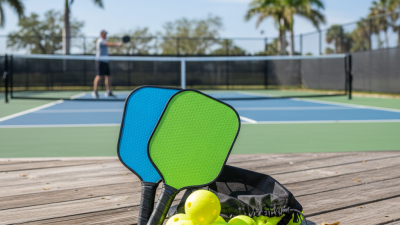
How to Choose the Right Padel Ball Racket for Your Game?
Choosing the right Padel Ball Racket can significantly impact your game. With so many options available, it can feel overwhelming. You want a racket that complements your skill level and playing style.
Different paddles offer various attributes, such as weight, balance, grip size, and material. These factors can influence your performance on the court. A heavy racket may provide stability but reduce maneuverability. Conversely, a lighter racket allows for quick movements but may lack power.
It's essential to consider your own playing style. Do you favor control over power? Or do you prefer aggressive shots? Reflecting on these questions can guide you toward a suitable choice. Ultimately, the ideal racket will enhance your game while aligning with your preferences.
Understanding the Basics of Padel Rackets and Their Components
Choosing the right padel racket involves understanding its key components. The racket's weight typically ranges from 320 to 400 grams. Players often need to find a balance between lightweight and sturdiness. A lighter racket enables quick reactions, while a heavier one provides more power. Advanced players might prefer a heavier racket for its stability. Beginners should consider a lighter option for easier handling.
The shape of the racket plays a significant role in performance. There are three main shapes: round, teardrop, and diamond. Round rackets offer control and are user-friendly. Teardrop shapes combine power and control, appealing to intermediate players. Diamond rackets enhance power, making them suitable for experienced players. A recent survey showed that about 70% of players prefer teardrop-shaped rackets, highlighting their versatility.
Materials used in construction also matter. Most rackets use carbon fiber or fiberglass. Carbon offers durability and performance but comes at a higher cost. Fiberglass is more affordable and suitable for newcomers. According to industry reports, approximately 60% of clubs recommend carbon fiber for competitive play. Reflecting on these components helps players choose a suitable racket for their game level and style.
Identifying Your Playing Style and Skill Level
When choosing a padel racket, understanding your playing style and skill level is crucial. There are different styles:
aggressive players,
control-focused athletes, and
all-rounders.
Each style needs specific racket features. For example, aggressive players benefit from rackets with more power. In contrast, control-oriented players should consider options that offer better handling and precision.
Assessing your skill level is equally important. Beginners might prefer a lighter racket to enhance maneuverability. As you gain experience, your needs may shift. Advanced players often look for rackets that provide greater precision and feedback.
It’s essential to reflect on your unique strengths and weaknesses. Perhaps you struggle with your backhand—or your serving can be unpredictable. Identifying these areas can help you select a racket that complements your game.
Experimentation is key. Don't hesitate to try different rackets. You might be surprised at how a change can impact your performance. Keep in mind that comfort and feel are personal.
A racket that works well for someone else may not suit you. Regular practice and feedback will help you refine your choices.
Evaluating Racket Weight, Balance, and Grip Size
When selecting a padel racket, the weight is crucial. A lighter racket offers better maneuverability. However, it may lack power. Heavier rackets provide stability and power. Striking a balance between power and control is key.
Grip size significantly impacts comfort during play. A proper grip prevents slipping and allows for better performance. If your grip is too large, it can lead to fatigue. Conversely, a grip that's too small can cause blisters. It's vital to ensure the grip feels natural.
Tips: Test several rackets to find the right weight. Consider your playing style when choosing. Check the grip with a simple test: hold the racket while relaxing your fingers. If you can fit your index finger snugly between your fingers and palm, it’s likely a good fit. Always reflect on your choice; the perfect racket enhances your game.
Choosing the Right Material and Construction for Durability
When selecting a padel ball racket, the material and construction are crucial for durability. Many players overlook this aspect. However, the wrong choice can lead to frequent replacements and unnecessary costs. Rackets made from high-quality materials like carbon fiber or fiberglass tend to withstand wear better than others. These materials ensure that your racket remains responsive and can endure intense gameplay.
Additionally, consider the racket's construction. A well-constructed racket features a solid core and precise layering. This enhances stability and power during play. You might feel excited about a lightweight model, but remember that sometimes, heavier rackets offer better control. It’s essential to find the balance between weight and durability that complements your playing style. Don't ignore any cracks or dents; they can greatly affect performance.
Pay attention to the grip as well. A comfortable grip can prevent slippage and improve control. If the grip wears out quickly, it can undermine your confidence in crucial moments. Look for materials that are not only sturdy but also feel right in your hand. Test different rackets before making a decision. Taking time to reflect on your experience is vital. It leads to better choices and enhances your overall game.
Comparing Brands and Price Ranges to Find Your Ideal Racket
Choosing the right padel ball racket can be challenging. With various brands and price ranges, it’s crucial to find a perfect balance for your game. Understanding what each option offers can enhance your performance significantly. Look at the material. Some rackets use carbon fiber for durability. Others focus on lightweight designs for better control.
When comparing brands, consider their reputation in the sport. Some brands are known for innovation, while others emphasize comfort. However, price can often dictate quality. Premium rackets usually include advanced features, but some mid-range options perform almost as well. Take the time to read reviews from experienced players. Their insights can guide you in the right direction, but remember, what works for one may not work for another.
Reflect on your playing style. Power hitters may prefer a more rigid racket, while those focused on control might benefit from a softer touch. It's essential to experiment. Sometimes, a less popular brand provides the perfect fit. The key is to prioritize personal comfort over brand appeal. Remember, an informed choice leads to a more enjoyable game.
Padel Racket Comparison by Weight and Price Range
This chart compares the average price of padel rackets based on their weight categories. Lightweight rackets tend to be the most affordable, while heavyweight rackets generally command higher prices, catering to different player preferences and styles.

 +86 18033331305
 CONTACT NUMBER
 CONTACT NUMBER