How to Set Up a Pickleball Net for Optimal Play?
Setting up a pickleball net effectively is key to enhancing your game. A well-adjusted net ensures fair play and aligns with official regulations. The process involves measuring the correct height and ensuring the net is taut. Many players overlook these details and face challenges during play.
When considering your pickleball net set up, precision matters. The net should stand at 36 inches high at the edges and 34 inches at the center. Slight variations can affect gameplay and create frustration. Learning to adjust the net properly takes practice and attention.
It's not just about the height; securing the net to avoid sagging is crucial. Players often forget to check for tightness, leading to unwanted interference during matches. Regular maintenance of the net can also impact its longevity. Reflecting on your setup process can help improve both your skills and enjoyment of the game.
Choosing the Right Pickleball Net for Your Playing Environment
Choosing the right pickleball net for your playing environment is crucial for optimal performance. According to the USA Pickleball Association, a standard net height is 36 inches at the ends and 34 inches at the center. This carefully measured height ensures fair play. However, it can be easy to overlook proper installation methods. An improperly set-up net can alter gameplay significantly.
Consider the surface you are playing on. A hard surface, like concrete or asphalt, may require different net stability compared to grass or sand. According to a 2022 industry report, 75% of players prefer nets that can be easily adjusted for different surfaces. This adaptability can enhance enjoyment and game quality. It’s also essential to choose nets that offer sufficient tension. Loose nets lead to frustrating bounces and can skew scores.
Don’t forget about the net's durability. Opt for weather-resistant materials if you play outdoors. Many nets designed for indoor use may not withstand outdoor elements. According to research, around 40% of recreational players experience net degradation over time. Regularly inspect for wear and tear, and consider replacing your net to maintain optimal conditions. This attention to detail can significantly enhance your overall gameplay experience.
How to Set Up a Pickleball Net for Optimal Play?
| Playing Environment |
Net Height (inches) |
Recommended Width (feet) |
Surface Type |
Setup Difficulty |
| Indoor Gym |
34 |
20 |
Wood |
Easy |
| Outdoor Court |
34 |
22 |
Asphalt |
Moderate |
| Backyard |
34 |
20 |
Grass |
Easy |
| Community Park |
34 |
22 |
Concrete |
Moderate |
| School Playground |
34 |
20 |
Synthetic |
Easy |
Gathering Necessary Tools and Equipment for Setup
Setting up a pickleball net requires specific tools and equipment. To achieve optimal play, you need a net that meets professional standards. This includes a regulation-height net, which stands at 36 inches in the center and 34 inches at the ends. It is also essential to have sturdy poles to support the net. Choosing poles that can withstand tension is crucial for a stable setup.
When gathering materials, include a measuring tape to check distances. Accurate placement ensures fair gameplay. Additionally, a level helps you verify that the net aligns correctly. Don't forget a wrench for tightening the net. A few extra clips can assist in securing the net edges. Sometimes, even with proper tools, the net may sag or lift unintentionally. Regularly checking for wear and tear will prolong your net's life.
It's important to examine your court space. Look for any obstructions or uneven surfaces that might affect setup. If the ground is too soft or too hard, it will impact net stability. While you may strive for perfection, sometimes the best setups are achieved with a little trial and error. Through this process, you can learn what works best for your playing style.
Step-by-Step Instructions for Setting Up the Pickleball Net
Setting up a pickleball net correctly is vital for ensuring optimal play. Begin by finding a flat area with enough space. Measure the width of the court to ensure the net fits perfectly between the sidelines. Unpack the net and check for any damage. Inadequate preparation can lead to issues later on. If you notice any defects, consider alternatives before proceeding.
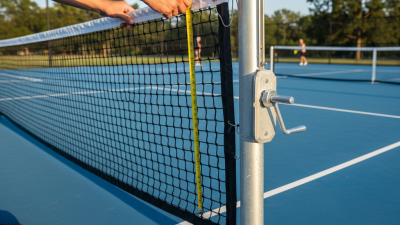
Next, assemble the poles. Insert them into the ground at the designated points. Ensure the poles are vertical and secure; stability is key during gameplay. Adjust the height of the net to 36 inches at the center and 34 inches at the ends, using a measuring tape for precision. If the net sags, use additional tension to fix it. While adjusting, it's useful to have a partner offer feedback. Sometimes, what seems level to you might not be.
After tightening the net, take a moment to observe. Walk around the setup. Testing the height from various angles helps ensure reliability. Minor adjustments can significantly affect play. Repeat this inspection after a few games; wear and tear may cause shifting. Reflect on any aspects that didn’t work as planned. This reflection will enhance future setups.
Adjusting the Net Height for Official Regulations
Setting up a pickleball net correctly is vital for fair play. The official height for a pickleball net is 36 inches at the sidelines and 34 inches at the center. These measurements are crucial for maintaining the integrity of the game. According to the USA Pickleball Association, adherence to these guidelines ensures that all players have a consistent playing experience.
Adjusting the net to these specifications may seem straightforward, but many players overlook the importance of fine-tuning. A properly adjusted net can significantly affect game quality. An improperly set net can lead to frustration and alter gameplay strategies. Always use a tape measure to confirm the height. After installation, a quick check with a level tool can prevent future adjustments.
Tips: Regularly check the net during tournaments. Players should communicate any discrepancies to officials. A net that is too high can hinder rallies, while one too low may favor aggressive play. Take time before each game to ensure precision. You might think it’s trivial, but small details matter. Proper net height fosters a competitive and enjoyable environment for all participants.
Tips for Maintaining Your Pickleball Net for Longevity
To ensure the longevity of your pickleball net, regular maintenance is essential. First, inspect the net frequently for wear and tear. Look for frayed edges or weakened areas. These can lead to larger problems if not addressed quickly. A simple patch or replacement may solve issues before they escalate.
Cleaning is also important. Use mild soap and water to gently scrub the net. Avoid using harsh chemicals that can degrade the material. Rinse thoroughly to eliminate any soap residue. Let the net dry completely before storing it. This practice helps prevent mold and mildew growth, which can damage the net over time.
When storing your net, keep it in a cool, dry place. Avoid folding it tightly, as this can create creases and degrade the fabric. Instead, roll it loosely to maintain its shape. Reflect on your storage methods regularly to ensure they are effective. Taking these small steps can greatly extend the life of your pickleball net and enhance your playing experience.
Pickleball Net Maintenance Tips

 +86 18033331305
 CONTACT NUMBER
 CONTACT NUMBER