+86 18033331305


Why Choose a Padel Ball Racket for Your Business?
Padel is moving from a niche recreation into a visible global sports market. The International Padel Federation reported more than 25 million players across over 90 countries in its Global Padel Report 2024. The same report identified rapid expansion in courts, clubs, and organized competition. For businesses, this growth creates demand for dependable equipment, not just attractive branding. A well-designed Padel Ball Racket can support retailers, sports clubs, academies, hotels, and corporate leisure programs. It can sit on a rental shelf, inside a coaching kit, or beside a brightly lit court.
The commercial case is practical. Padel sessions often involve repeated impacts, quick rebounds, and frequent equipment sharing. A racket therefore needs suitable weight, grip comfort, surface durability, and consistent balance. Playtomic’s Global Padel Report 2024 also highlighted continuing investment in courts and participation, suggesting a broader customer base for equipment suppliers. However, market growth is not a guaranteed profit formula. Stock can become outdated, quality complaints can damage trust, and low-cost products may increase replacement rates. That uncomfortable detail matters.
Businesses should compare materials, testing records, warranty policies, and user feedback before purchasing. Expert advice from coaches can reveal problems that product photographs hide. A beginner may value comfort. A competitive player may demand control. These needs are different.
The opportunity is real. But evidence should lead the decision. A Padel Ball Racket becomes commercially valuable when performance, reliability, and customer fit work together.
Why Choose a Padel Ball Racket for Your Business?
What Is a Padel Ball Racket and How Does It Work?
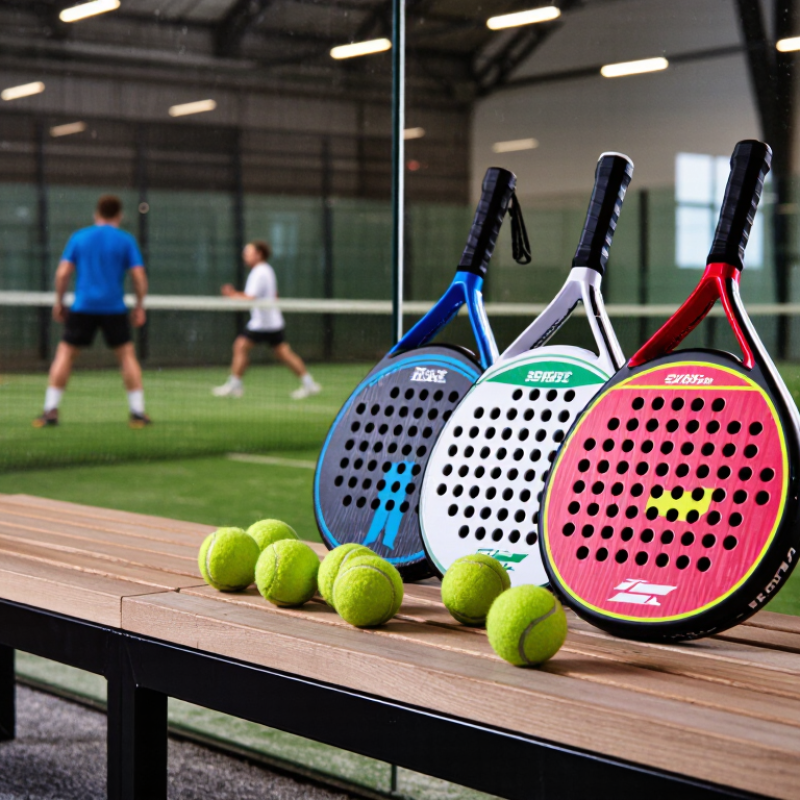
A padel ball racket is a solid, perforated racket used with a pressurized padel ball. It has no strings. Instead, its foam core and surface layers control power, comfort, and rebound. The holes reduce air resistance during a swing. They also help players move the racket quickly near the glass walls.
Most rackets use fiberglass or carbon-based faces around an EVA foam core. Softer foam usually feels more forgiving for beginners. Harder foam can provide sharper control, but it may punish poor timing. I have noticed that new players often choose heavy rackets too soon. That decision looks powerful on paper, yet it can make the wrist tired after several games. The International Padel Federation’s Global Padel Report 2024 estimates more than 30 million players worldwide. That growth gives sports retailers, clubs, and training centers a wider customer base.
Tips: Keep several shapes and weights available. Round rackets suit control-focused beginners. Diamond shapes favor experienced players seeking power. Check grip comfort, balance, surface damage, and hole quality before stocking products. Ask customers about playing frequency, not only their skill level. A weekend player may need comfort more than maximum speed. Product testing should include indoor and outdoor courts, because temperature can change ball response. Mistakes happen. Record customer feedback and adjust inventory every season.
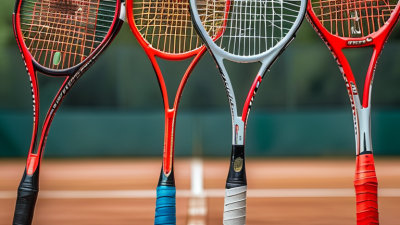
A padel racket is a solid, perforated racket designed for controlled shots, quick reactions, and close-range play. The International Padel Federation sets maximum racket dimensions, giving businesses a clear and standardized basis for product sourcing, packaging, and retail planning.
The chart shows the official maximum overall dimensions for a padel racket: 45.5 cm in length, 26 cm in width, and 3.8 cm in thickness. Source: International Padel Federation, official padel equipment regulations.
Which Businesses Can Benefit from Padel Ball Rackets?
Fitness centers can benefit from adding padel rackets to beginner programs, social leagues, and short-term rentals. The International Padel Federation’s Global Padel Report 2024 estimates more than 30 million players across over 130 countries. That scale creates demand beyond specialist clubs. A gym can place rental rackets beside court bookings, then offer coached sessions for new players. Clear pricing and regular grip replacement matter.
Hotels and resorts also have a practical opportunity. Guests want activities that require little instruction and encourage group participation. Four rackets, fresh balls, and a visible booking board can turn an unused court into a social space. The Global Padel Report also records tens of thousands of courts worldwide, showing how quickly facility infrastructure is expanding. Yet demand varies by location. A resort should test weekend sessions before buying large inventories.
Schools, universities, corporate wellness providers, and community recreation centers may benefit as well. Padel supports mixed-skill play, which makes it suitable for introductory events and staff activities. Retailers can sell starter rackets, protective covers, and replacement grips near local courts. Small details count. Oversized stocks can become dead inventory, especially when local participation is still developing. That is the part many business plans underestimate. A short pilot, usage tracking, and customer feedback can reveal whether the investment fits the audience. Perfect forecasts are rare. Better decisions come from measuring real bookings, equipment wear, and repeat participation.
Why Choose a Padel Ball Racket for Your Business?
A padel ball racket can turn a routine booking into a more engaging customer experience. New players often need confidence before they need advanced equipment. A balanced racket, visible near the court, invites questions and encourages trial sessions. The International Padel Federation’s 2024 World Padel Report records more than 25 million players across over 90 countries. The 2024 Global Padel Report estimates nearly 30 million players worldwide. Definitions differ, but the growth is clear. That matters.
Businesses can use rackets to create simple interaction points. Staff can offer short demonstrations before a customer’s first match. They can explain grip comfort, control, and suitable playing levels. Small details count. A customer who receives practical guidance may stay longer and ask about coaching or membership options. Operators should track trial bookings, repeat visits, equipment usage, and customer questions. These measures connect equipment with engagement, rather than treating rackets as decoration. In practice, not every customer wants a loaner racket. Some prefer personal equipment immediately. That assumption deserves testing. Feedback cards and booking data can reveal the difference. The Professional Padel Association’s participation research also highlights social play and beginner access as important participation drivers. A racket becomes more valuable when it supports conversation, learning, and shared play. The handle may be small. The customer relationship is not.
Why Choose a Padel Ball Racket for Your Business?
Businesses buying padel rackets should evaluate performance beyond appearance. In daily rental use, rackets face repeated impacts, damp storage, and hurried handling. A durable carbon or reinforced fiberglass surface can reduce early damage. However, stronger materials may increase cost or weight. Test both before ordering in volume.
Weight and balance affect customer comfort. Beginners often prefer lighter rackets with forgiving sweet spots. Experienced players may request greater control and a head-heavy design. Check the grip size carefully. A poor grip can cause discomfort after one match. Businesses should also examine surface texture, frame protection, and vibration control. These details influence play quality and replacement rates.
Tips: Ask staff to test several rackets during busy sessions. Record comfort, noise, visible wear, and cleaning time. Request supplier data on warranty coverage, defect rates, and delivery consistency. A low purchase price can become expensive when handles loosen quickly. Consider storage conditions too. Heat and moisture may shorten racket life. We have found that simple inspection logs reveal problems earlier, although staff do not always record every detail. That weakness deserves attention.
A business should plan padel racket purchases around court bookings, lesson schedules, and user levels. One racket rarely suits every customer. Beginners need forgiving frames, while advanced players often prefer more control. Track hourly use for each racket, not just monthly sales. This reveals which equipment faces heavy wear. Keep a small reserve for busy weekends and unexpected damage. Our first forecast was too optimistic.
Maintenance begins with a simple inspection after each session. Staff can check the grip, frame edges, surface cracks, and loose parts. A dry cloth removes dust and sweat. Store rackets away from direct sunlight, heaters, and damp lockers. Temperature changes can weaken materials over time. Replace worn grips quickly. A slippery handle can affect control and customer confidence. Staff should record every repair and inspection date. Clear records support safer decisions.
Replacement should follow condition and performance, not a fixed calendar alone. A racket with cracks, unusual vibration, or reduced balance needs immediate review. For padel balls, monitor bounce, fuzz, and pressure during busy periods. Balls lose performance faster on abrasive courts. Set a monthly purchasing budget, but adjust it after seasonal demand changes. Buying too many models can complicate training and storage. Buying too few creates frustrating shortages. The practical answer may be imperfect: test a limited quantity, collect staff feedback, and revise the next order. An independent equipment check can also confirm whether replacement decisions are reasonable.
| Planning Dimension | Verified or Standard Reference | Business Planning Implication | Recommended Planning Rule | Suggested Review Frequency |
|---|---|---|---|---|
| Padel racket dimensions | A padel racket may be up to 45.5 cm long, 26 cm wide, and 38 mm thick under commonly applied international equipment rules. | Inventory can be standardized by approved size, weight, and grip specifications. | Set a standard equipment specification before purchasing and reject items outside the required limits. | Before every purchase cycle |
| Padel ball weight and size | Regulated padel balls generally weigh 56.0–59.4 g and measure approximately 6.35–6.77 cm in diameter. | Consistent ball specifications support fair play, predictable bounce, and a uniform customer experience. | Purchase balls that comply with the applicable competition or facility standard. | At receipt and during quality checks |
| Initial racket quantity | A court normally accommodates four active players. Additional rackets are needed for instruction, damage, hygiene rotation, and unexpected demand. | A small reserve reduces canceled sessions when equipment is damaged or missing. | Base quantity = 4 rackets per court; add 1–2 reserve rackets per court for shared-use facilities. | Monthly stock review |
| Initial ball quantity | A typical match uses a set of three balls, while training sessions may require additional balls for drills and replacements. | The required quantity depends on court utilization, lesson format, and ball-replacement policy. | Maintain at least 3 playable balls per active court, plus 25%–50% additional training stock. | Weekly or biweekly stock review |
| Demand calculation | Demand is driven by the number of courts, booked hours, participants per session, and equipment-sharing policy. | A usage-based calculation is more reliable than ordering a fixed quantity for every site. | Required units = active courts × units per court × peak-demand factor + safety stock. | Before each seasonal order |
| Safety stock | Shared sports equipment is exposed to loss, accidental damage, and uneven usage between sessions. | A reserve protects service continuity during busy periods and supplier lead times. | Keep 10%–20% of the active racket inventory and 25%–50% of the active ball inventory as reserve stock. | Monthly review |
| Racket inspection | Common failure indicators include cracks, delamination, loose components, sharp edges, and heavily worn grips. | Early detection lowers injury risk and prevents damaged equipment from being issued. | Inspect rackets visually before issue and perform a documented condition check at least once per month. | Before use and monthly |
| Grip maintenance | Grip wear increases with sweat, humidity, cleaning frequency, and the number of users sharing a racket. | Replacing grips is usually a lower-cost intervention than replacing an otherwise sound racket. | Clean grips after shared use and replace overgrips when they become smooth, loose, damp, or visibly worn. | Daily cleaning; condition check weekly |
| Ball pressure and bounce | Padel balls gradually lose pressure through repeated impact, storage time, heat, and humidity; bounce consistency is a practical usability test. | Low-pressure balls can reduce playing quality and make training results less consistent. | Remove balls that are visibly worn, damaged, unusually soft, or inconsistent with the facility’s approved bounce test. | Before each session |
| Cleaning and storage | Moisture, direct sunlight, excessive heat, and abrasive cleaning products can shorten equipment life. | Controlled storage reduces premature deterioration and improves inventory predictability. | Store rackets and balls in a clean, dry, ventilated area away from direct sunlight and extreme temperatures. | Daily closing procedure |
| Racket replacement trigger | A cracked frame, exposed sharp edge, structural deformation, or unstable handle is a safety-related defect. | Safety defects require immediate removal rather than continued service. | Tag and quarantine defective rackets immediately; replace them when repair cannot restore structural integrity. | Immediate action |
| Planned racket replacement cycle | Service life varies significantly by racket construction, impact frequency, user level, storage, and handling. A calendar period is only a planning estimate. | Usage records should determine replacement more accurately than age alone. | Use a provisional 6–12 month review cycle for heavily shared rackets and replace earlier if inspection or performance data requires it. | Every 6 months |
| Planned ball replacement cycle | Balls lose performance through repeated impacts and pressure loss; useful life depends on session intensity and storage conditions. | A condition-based replacement policy avoids both poor play quality and unnecessary waste. | Review balls after every session and replace sets when bounce, felt, or roundness becomes inconsistent. | Every session |
| Purchasing lead time | Lead time depends on supplier availability, order volume, shipping method, import procedures, and seasonal demand. | Ordering only after stock reaches zero increases the risk of canceled sessions or emergency purchasing. | Set the reorder point at expected lead-time demand plus safety stock; confirm delivery dates before peak seasons. | At every purchase order |
| Inventory tracking | Equipment records should distinguish usable, repairable, quarantined, and retired units. | Accurate records support budgeting, loss control, warranty handling, and future demand forecasting. | Record purchase date, quantity, condition, location, inspection result, and replacement reason for every batch. | Update after every issue or retirement |
| Budget allocation | Total ownership cost includes initial purchase, freight, storage, grips, cleaning materials, inspection labor, repairs, and replacement stock. | The lowest purchase price may not produce the lowest operating cost. | Track cost per playable session and compare durability, maintenance frequency, and replacement rate. | Quarterly financial review |