Why Choose Carbon Pickleball Paddles?
Carbon Pickleball paddles have become popular among players seeking a lighter, more responsive feel. Their carbon fiber surfaces can provide controlled ball placement and a softer response during kitchen exchanges. In practical play, this may help reduce vibration when blocking fast drives or resetting a difficult shot. The surface texture can also support spin, although performance depends on the paddle’s design, condition, and playing technique.
Feel matters.
Experienced players often notice the difference during long rallies. A well-balanced paddle may reduce wrist fatigue and make quick reactions feel more natural. However, carbon construction does not automatically create better performance. Core thickness, handle length, weight distribution, and grip shape remain equally important. I have seen players choose a premium paddle, then struggle because its handle felt too narrow. That detail is easy to overlook.
Reliable guidance should include more than marketing claims. Look for clear specifications, consistent manufacturing information, and reviews from players with similar styles. A defensive player may value touch and stability, while an aggressive player may prefer faster swing speed and firmer feedback. Carbon Pickleball technology offers useful advantages, but it is not a universal solution. Testing different weights and grips can reveal more than advertising language. Even small differences can change confidence at the net. The best choice balances comfort, control, durability, and realistic expectations.
What Are Carbon Pickleball Paddles?
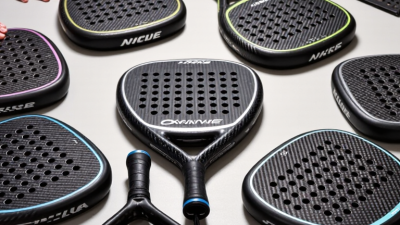
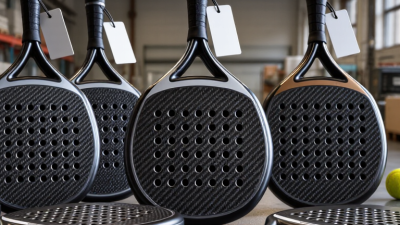
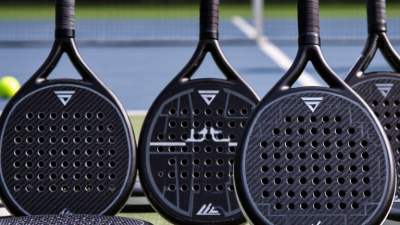
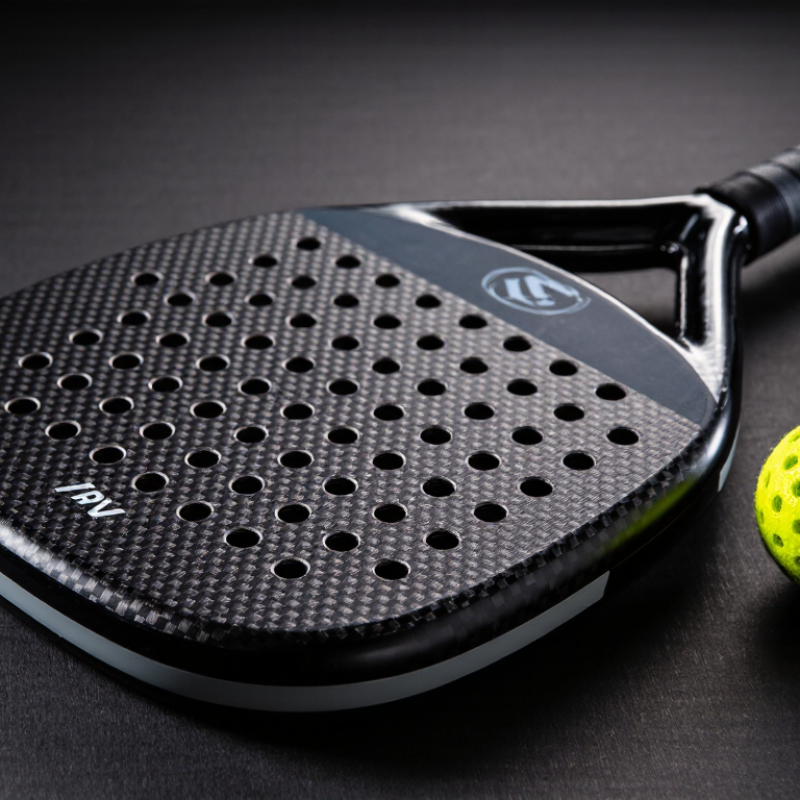
Carbon pickleball paddles use a carbon-fiber surface over a lightweight honeycomb core. The face is woven, pressed, and bonded to the core during manufacturing. Most models are not made entirely from carbon fiber. Their edge guards, handles, and internal structures use other materials. The carbon surface mainly affects touch, stiffness, weight distribution, and spin potential.
During play, I notice a carbon face often feels controlled during soft dinks and third-shot drops. The ball seems to stay on the paddle briefly. That extra dwell time helps with placement near the kitchen line. A textured surface can also grip the ball during a topspin swing. Still, carbon does not automatically create more spin. Swing path, contact point, and surface wear matter greatly. Small differences matter.
Thickness changes the response. A thinner face can feel quick and lively, while a thicker construction may reduce vibration. Weight and balance influence hand speed, especially during rapid exchanges. I once selected a paddle for its light weight, then found it unstable against hard drives. That choice looked sensible on paper. It was not ideal in practice. Check the grip size, measured weight, handle length, and current competition requirements. Quality control can vary, even among paddles with similar specifications. A careful player should inspect the edge, surface texture, and handle connection before regular use.
How Carbon Fiber Shapes Paddle Performance
Carbon fiber changes how a pickleball paddle feels from the first contact. Its stiff structure transfers energy efficiently, helping shots leave the face with less effort. A clean hit feels crisp. Mishits can feel less forgiving, especially when the paddle has a narrow sweet spot.
The surface texture also affects spin. When the carbon face grips the ball briefly, it can support controlled topspin and sharper slice shots. This matters during third-shot drops, where touch is often more valuable than raw power. Paddle weight remains important, too. A lighter carbon paddle may react quickly at the net, while a heavier model can add stability against hard drives. The carbon layer alone does not decide performance. Core material, thickness, balance, and construction all change the result.
Real play reveals trade-offs. In repeated drills, a stiff face can feel responsive, but it may transmit more vibration after off-center contact. That sensation is not automatically a defect, yet it deserves attention if comfort matters. Carbon fiber is not magic. Some paddles lose their crisp feel sooner than expected, and surface texture can change with use. Checking edge protection, face condition, and overall balance is sensible. Players should also test their grip and swing speed instead of trusting material claims alone. Personal preference still wins.
Why Choose Carbon Pickleball Paddles?
How Carbon Fiber Shapes Paddle Performance
Carbon-fiber composites typically provide a higher stiffness-to-weight ratio than fiberglass composites. Higher stiffness can support a more stable hitting surface and efficient energy transfer, while the lower density of carbon fiber can help reduce face weight. Actual paddle feel still depends on the fiber orientation, resin content, core material, thickness, and manufacturing process. Values shown are representative engineering figures for common composite materials, not brand-specific paddle measurements.
Key Benefits of Using a Carbon Pickleball Paddle
Why Choose Carbon Pickleball Paddles?
Carbon pickleball paddles offer a useful balance of control, touch, and steady power. Their stiff surface responds quickly when blocking a hard shot at the kitchen line. During practice, many players notice cleaner placement on soft dinks and controlled resets. The textured face can also help create spin during serves and cross-court drives. This advantage depends on the surface design, not carbon alone. Small differences matter.
Carbon is not magic.
A well-made carbon paddle often feels lighter in the hand, reducing fatigue during long rallies. Its responsive construction can make it easier to adjust pace instead of swinging harder. I have found this especially helpful when returning fast serves or defending from the baseline. However, some carbon paddles feel too firm for players who prefer a softer, cushioned response. A coach or experienced fitter can help match paddle weight, grip size, and balance to your technique. Check the frame and face regularly, since edge damage may affect performance. Durability also varies with construction, storage, and court contact. Players should compare verified specifications rather than trusting dramatic performance claims. Carbon deserves careful evaluation.
Carbon Paddles Compared With Other Paddle Materials
Why Choose Carbon Pickleball Paddles?
Carbon paddles compared with other materials can feel noticeably different during play. Their woven surface often provides a softer, more controlled response on resets and dinks. The textured face may also help create consistent spin when contact is clean. Many experienced players value this predictable feedback near the kitchen line. Carbon can feel firm without becoming excessively harsh, although paddle construction affects that result.
Fiberglass paddles usually offer more built-in power and a livelier rebound. They can suit beginners who want easy depth with shorter swings. However, that extra pop may make delicate shots less predictable. Aluminum paddles are generally crisp and durable, but some players find their feel less comfortable on repeated impacts. Polymer cores also matter greatly. A carbon face with a weak core may perform worse than a well-built fiberglass paddle. Material alone does not decide everything. That assumption deserves correction.
Tips: Test several weights before buying. Compare soft shots, serves, and blocking at the net. Notice vibration after ten minutes, not one exciting hit. A slightly heavier carbon paddle may improve stability, but it can fatigue your wrist. Check the grip circumference, too. Small details matter. Carbon is not automatically superior; it is often better for players who value touch, spin, and controlled feedback over effortless power.

 +86 18033331305
 CONTACT NUMBER
 CONTACT NUMBER