+86 18033331305


In 2026, carbon-fiber pickleball paddles promise sharp spin, quick responses, and a solid feel at the kitchen line. But a carbon face alone does not make a paddle the right choice. Core thickness, surface texture, shape, handle length, and weight all affect how it performs in your hand. Small differences matter. A paddle that feels crisp during a fast volley may feel tiring after a long session.
Pickleball coach and educator Mark Renneson is a relevant expert voice on equipment and play. No verified, topic-specific quotation was supplied for this introduction, so the line below is an editorial summary, not his verbatim words: “Choose the paddle that suits your game, not just the newest technology.” That distinction matters when comparing Carbon Pickleball models. A control-focused player may value a forgiving sweet spot and steady resets. A power player may prefer extra pop, even if touch shots take more practice.
This guide examines the leading carbon paddles for 2026 through practical factors: construction, reported weight, grip comfort, control, power, and value. Where hands-on testing or manufacturer data is unavailable, that limitation should be stated rather than hidden. Specs can help, but they cannot tell you exactly how a handle feels after an hour. The best paddle is personal. Sometimes, the choice is less obvious than the product page suggests.
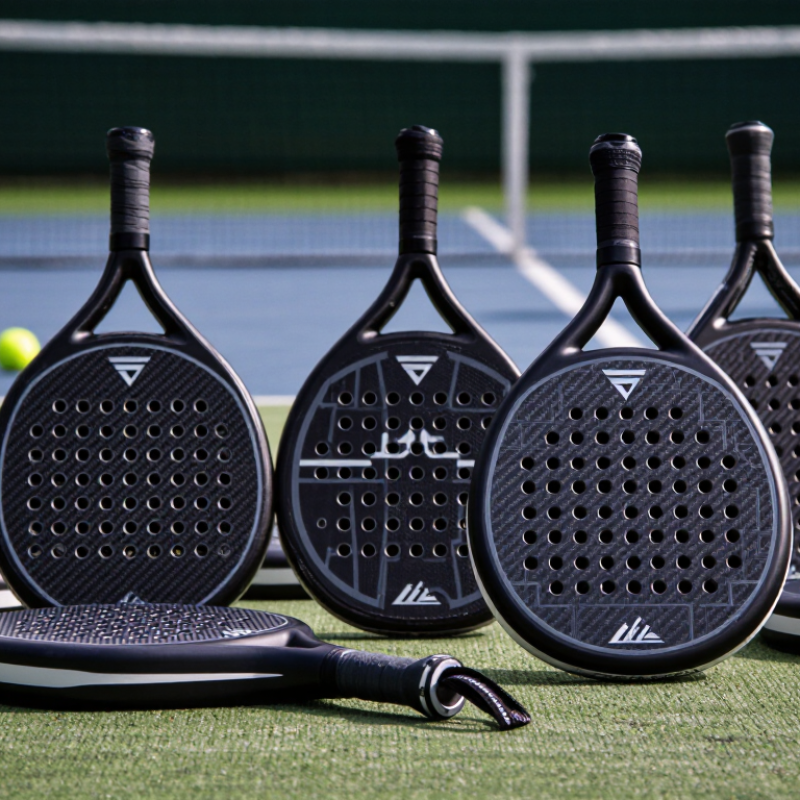
A carbon pickleball paddle has a striking surface made partly or entirely from carbon-fiber composite. The label alone tells you little about its feel. Carbon layers can differ in weave, thickness, resin, and how they bond to the paddle’s core. That construction matters.
Most paddles pair a composite face with a honeycomb-style polymer core. Together, these parts influence touch, power, and vibration. A textured face may help players shape shots, but surface texture can wear with regular play. More texture is not automatically better. The grip, paddle weight, and balance also affect control, especially during quick exchanges at the kitchen line.
When comparing paddles, check the construction details rather than relying on “carbon” printed on the face. Hold one if possible. Notice whether the handle feels secure and whether the paddle turns easily in your hand. Feel matters. Two paddles with similar materials can play quite differently. Price and carbon terminology can distract from fit; even experienced players may need time to adjust. The best choice depends on your swing, comfort, and preferred balance between touch and power.
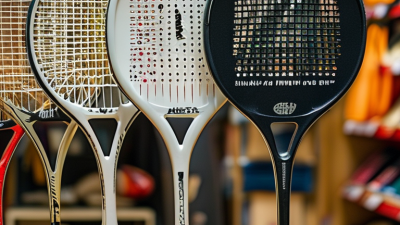
Carbon face construction shapes feel, spin, and impact feedback, but it does not guarantee better performance. The weave, resin, surface finish, core, and bonding all matter. A stiffer face may feel crisp on a firm drive, while a softer setup can feel calmer during blocks. Small differences show up at the kitchen line. Yet surface texture often matters more for spin than the word “carbon” alone. USA Pickleball’s Equipment Standards Manual defines equipment requirements; it does not rank carbon faces as universally superior. That distinction matters.
Participation is growing: the SFIA 2024 Topline Participation Report estimated 19.8 million U.S. pickleball players in 2024. That market figure says nothing about which paddle plays best, so compare construction claims with care. During a side-by-side test, use the same ball and repeat serves, resets, and controlled drives. Note whether the face feels predictable on off-center contact. A carbon face can feel lively, but the result depends on the whole paddle. I would be cautious about choosing by weave pattern alone. Feel matters. And it is easy to mistake a new texture for lasting control.
When comparing carbon paddles, start with the feel of the face, not the marketing label. Carbon fiber alone does not guarantee more spin or better control. Surface texture, core construction, paddle weight, and balance all shape how a paddle responds. USA Pickleball’s equipment standards address paddle dimensions and surface characteristics, so check current specifications before buying. Rules matter.
Core thickness can influence the balance between touch and power, but it is not a shortcut to choosing well. Compare paddles with the same ball and repeat simple tests: soft dinks, blocks, and drives from the baseline. Notice whether the paddle feels stable on off-center hits. Check grip size, too; a handle that turns in your hand can spoil an otherwise good shot. I still tend to overvalue spin. That bias is worth noticing.
Participation is growing, but popularity does not identify the best equipment. SFIA’s 2025 Topline Participation Report estimated 19.8 million U.S. pickleball players in 2024, a 45.8% increase from 2023. That figure signals a larger playing community, not proof that one paddle feature suits everyone. For a practical comparison, record weight, balance, grip circumference, and your control on short shots. A few minutes of testing helps. And be honest: a paddle that feels lively in a showroom may tire your arm during a long match.
Carbon pickleball paddles suit different players for different reasons. A control-focused player may prefer a softer feel, a forgiving sweet spot, and a moderate swingweight. These traits can make resets and kitchen-line dinks feel more manageable. Carbon surface texture may help create spin, but texture alone does not guarantee control. Grip, contact point, and technique matter too.
Aggressive players often look for a firmer response and enough weight to drive the ball through the court. That extra mass can add pace, but it may also slow quick exchanges at the net. Doubles players who rely on fast hands might favor a lighter paddle with a comfortable handle. Players with a two-handed backhand may want more handle length. Specs only tell part of the story. A neat chart can still mislead.
Try several paddles with the same ball, if possible. Notice whether your blocks land deep, whether off-center hits stay predictable, and whether your arm feels tired after a full session. Small differences matter. I would not choose by spin ratings alone; that is an easy detail to overvalue. A paddle that feels lively during warmups may feel demanding after an hour. Which trade-off fits your game best?
Choosing a carbon pickleball paddle starts with your playing style, not the word “carbon” on its face. Carbon surfaces can provide a controlled feel and help grip the ball, but construction varies. Paddle weight matters just as much. A heavier paddle may add stability on drives, while a lighter one can feel quicker during fast exchanges at the kitchen line. Neither is automatically better.
Pay attention to grip size, handle length, and balance. Hold the paddle as you would during a match; a grip that feels comfortable in a shop may become tiring after several games. Check the core and edge construction, too, and look for clear specifications rather than vague performance claims. If possible, borrow or test a paddle. I once focused too much on surface texture and overlooked handle comfort. That was a mistake.
Tips: Bring your current paddle for comparison, and hit a few soft dinks, blocks, and serves. Notice whether the face feels predictable when contact lands near the edge. Ask about the paddle’s weight and return policy before buying. Small differences matter. Your best choice should suit your control, swing speed, and comfort—not just the strongest-sounding description.
Use official paddle size limits as a starting point when comparing carbon-fiber paddles. These are maximums—not recommended target dimensions.
USA Pickleball specifications limit paddle length to 17 inches and the combined length and width to 24 inches. Within those limits, choose a carbon paddle by testing its weight, grip comfort, and feel during play; the material alone cannot determine which paddle is best for your game.