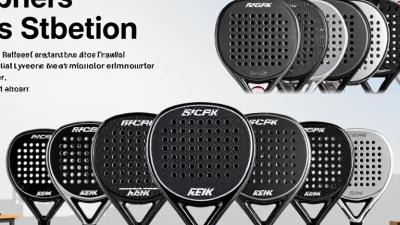
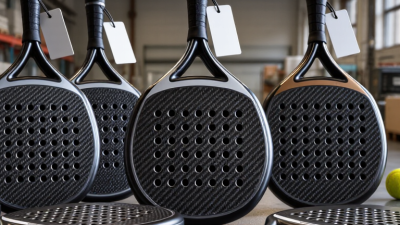
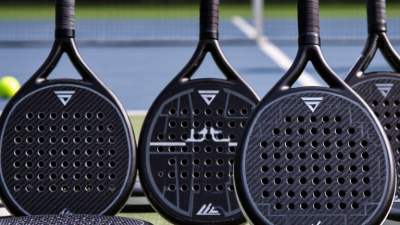
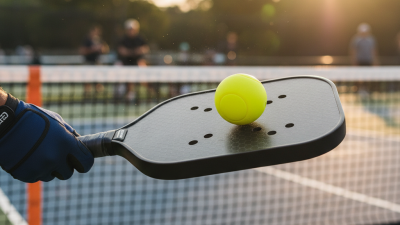
How to Choose a Carbon Pickleball Paddle for Wholesale
Choosing a Carbon Pickleball paddle for wholesale requires more than comparing attractive prices. Buyers must evaluate performance, consistency, durability, and supplier reliability together. A paddle may look premium in photographs, yet feel unbalanced during repeated play. That gap matters.
Carbon fiber often provides a responsive surface, controlled power, and a comfortable feel. However, carbon construction is not automatically superior. Fiber quality, weave direction, resin control, and surface texture can change the playing experience. Core thickness also affects weight, vibration, and shot response. Small details become important.
Wholesale decisions need practical evidence. Request product samples before placing large orders. Measure weight, grip circumference, edge protection, and face uniformity. Test paddles with different players, including beginners and experienced athletes. Record feedback after several sessions, not only after the first hit. First impressions can mislead.
Reliable suppliers should explain their manufacturing process clearly. Ask about quality inspections, packaging, replacement policies, and production capacity. Certifications and test reports can support credibility, but they should be verifiable. Do not treat every certificate as proof of performance. That assumption can fail.
Consider your customers. A tournament-focused retailer may need precise control and consistent specifications. A recreational distributor may prioritize comfort, value, and attractive design. Match the Carbon Pickleball paddle to the market, rather than chasing the highest specification. No material is perfect.
A careful wholesale selection protects margins and customer trust. It also reduces returns caused by unsuitable weight, fragile edges, or inconsistent batches. The strongest decision combines technical review, hands-on testing, supplier communication, and honest risk assessment. Mistakes still happen. Good purchasing systems make them smaller.
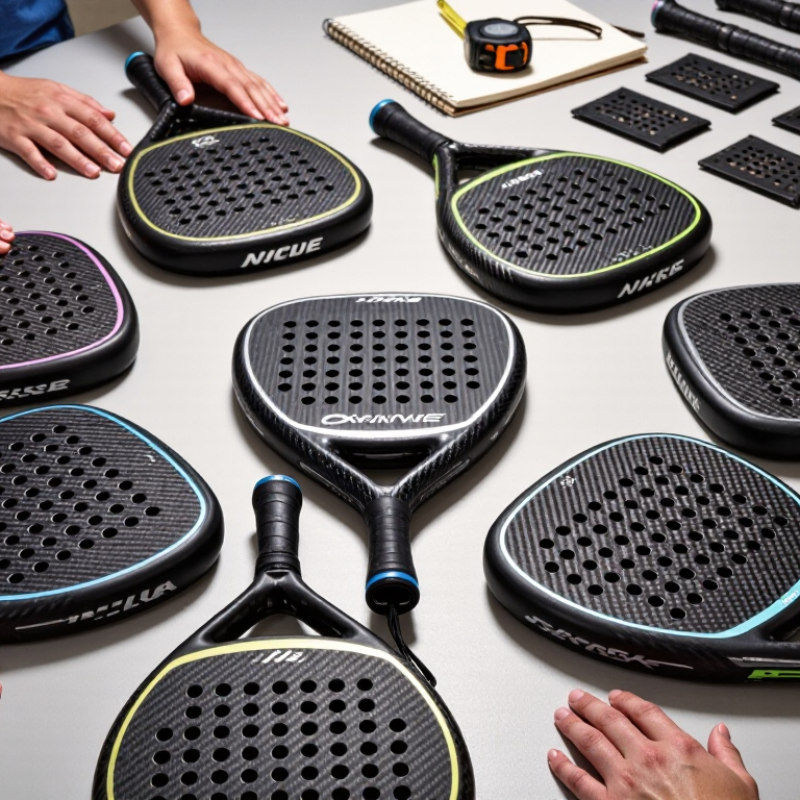
Define Carbon Paddle Types: 3K, 12K, and T700 Fiber Layups
Choosing a carbon pickleball paddle for wholesale starts with understanding its carbon construction. The 3K label usually describes small bundles containing about 3,000 filaments. These bundles create a fine, tight surface texture. Many players associate 3K carbon with controlled feedback and a refined appearance. The 12K label represents larger bundles, usually containing about 12,000 filaments. Its broader weave may support a slightly different impact feel. However, weave size alone does not determine power, durability, or consistency.
T700 refers to a high-strength carbon fiber grade, not simply a visible weave pattern. A paddle can use T700 fibers with different orientations, layers, and resin systems. Those choices influence stiffness, vibration, weight distribution, and resistance to repeated impacts. I would inspect the fiber direction near the face and edge. Random wrinkles, resin pools, or uneven gloss deserve questions. A clean surface can still hide weak internal bonding. Looks can mislead.
For wholesale evaluation, request identical samples from different production batches. Record paddle weight, thickness, balance point, and surface texture. Test controlled drives, off-center hits, and edge contact. Note changes after repeated play. A 3K face may feel crisp, while a 12K face may feel more muted, but construction quality matters more than the label. I once treated a premium-looking weave as proof of performance. That assumption was too simple. Ask for fiber specifications, layup diagrams, and quality-control records before placing a large order. Samples may disappoint. That is useful evidence.
Segment Wholesale Buyers Using SFIA’s 13.6 Million U.S. Players (2023)
SFIA reported 13.6 million pickleball players in the United States in 2023. For wholesale planning, that figure needs careful interpretation. Players do not buy for identical reasons. Beginners often value comfort, control, and a forgiving sweet spot. Frequent competitors may prefer carbon faces, stable edges, and a predictable response. That difference should shape your buyer segments.
A practical wholesale map can include sporting-goods retailers, club suppliers, training centers, and online sellers. Retailers serving new players may test lighter carbon paddles with wider faces and comfortable grips. Club suppliers could prefer durable models for repeated sessions and shared equipment. Competitive-focused sellers may request thinner edge guards, textured surfaces, and tighter weight tolerances. These are purchasing clues, not fixed rules. Ask buyers about player age, skill level, court frequency, and expected price range before recommending quantities.
When selecting a carbon paddle, check the face construction, core thickness, total weight, grip circumference, and balance point. Request documented specifications and batch consistency from manufacturers. A small weight variation can change swing comfort across a large order. Examine sample paddles under real conditions, including outdoor heat, repeated impacts, and damp grips. Keep claims measurable. “More control” means little without a clear testing method. SFIA’s participation figure offers market scale, but it does not reveal every buyer’s preference. This segmentation is useful, yet imperfect. Player skill and purchase purpose can overlap. A careful wholesaler should review sales feedback and adjust the next order.
How to Choose a Carbon Pickleball Paddle for Wholesale
The U.S. pickleball participant base grew from 4.8 million in 2021 to 13.6 million in 2023.
Wholesale buyers can use this expansion signal to plan carbon paddle inventory across sporting-goods retailers, specialty shops, clubs, and online distributors.
Wholesale takeaway: Prioritize scalable carbon paddle assortments with clear weight, shape, durability, and price tiers so different wholesale channels can serve the rapidly expanding U.S. player base.
Source: Sports & Fitness Industry Association (SFIA), U.S. pickleball participation figures for 2021–2023.
Apply USAP Limits: 17-Inch Length and 24-Inch Combined Dimensions
When choosing a carbon pickleball paddle for wholesale, begin with the USAP equipment limits. The paddle must not exceed 17 inches in length. Its combined length and width must remain within 24 inches. Measure the physical sample, not only the supplier’s specification sheet. Small edge guards can change the final dimensions.
A practical wholesale design is about 16 inches long and 7.8 inches wide. This leaves a modest compliance margin. It also offers a balanced hitting surface for recreational and competitive players. Carbon surfaces can provide a crisp response, but carbon quality varies between constructions. Ask for material details, surface consistency, core thickness, and weight tolerance. Request several samples from different production batches. One sample can hide a manufacturing problem.
Check the handle carefully. A secure grip, clean edge finishing, and stable balance affect daily play. I would also test paddles with indoor and outdoor balls before placing a large order. Warehouse storage may expose products to heat, which can affect adhesives and surface texture. Packaging deserves attention too. A sharp corner can damage neighboring paddles during shipment. Avoid promising identical performance from every unit; production variation is possible. Keep inspection records, including measured length, width, weight, and visible defects. Rules and testing procedures may change, so confirm the latest official requirements before printing packaging or approving production.
Compare 7.5–8.5 oz Weights, 13–16 mm Cores, and Swingweight
When choosing carbon pickleball paddles for wholesale, compare more than listed weight. The 2024 SFIA Topline Participation Report recorded 13.6 million U.S. pickleball players in 2023. That growth increases demand for paddles serving different playing styles.
A 7.5–8.0 oz paddle usually feels quicker during resets and rapid exchanges. It may suit beginners, doubles players, and smaller-handed users. An 8.1–8.5 oz model adds stability against hard drives. However, it can fatigue players during long sessions. Numbers can mislead. Balance changes swingweight, even when two paddles share identical static weights. Wholesale samples should be tested with a swingweight machine, not judged by hand alone. Many performance testers consider roughly 105–125 kg·cm² a practical range for recreational and competitive models, but player preference remains important.
Core thickness also changes the buying decision. A 13 mm core can produce a firmer, livelier response. A 16 mm core generally offers softer touch and better vibration control. Carbon surface texture, foam injection, and handle length can alter those results. I once overvalued thin-core power and underestimated comfort during repeated drills. That mistake affected customer feedback. For reliable purchasing, test several units from each production batch, then record weight, balance point, swingweight, and thickness tolerance. USA Pickleball equipment standards should also be checked before listing products for sanctioned play. Test before scaling.
How to Choose a Carbon Pickleball Paddle for Wholesale - Compare 7.5–8.5 oz Weights, 13–16 mm Cores, and Swingweight
| Paddle Profile |
Weight |
Weight (Approx.) |
Core Thickness |
Estimated Swingweight* |
Balance Tendency |
Playing Characteristics |
Wholesale Suitability |
| Fast Control |
7.5 oz |
Approximately 213 g |
13 mm |
104–108 kg·cm² |
Head-light to neutral |
Quick hand speed, easy resets, and responsive net exchanges; lower plow-through on hard drives. |
Useful for entry-level, recreational, and doubles-focused product lines. |
| Balanced All-Round |
7.8 oz |
Approximately 221 g |
14 mm |
108–112 kg·cm² |
Neutral |
Good combination of maneuverability, touch, and moderate power for a broad range of players. |
Strong general-purpose SKU for sporting-goods and club channels. |
| Control Plus |
8.0 oz |
Approximately 227 g |
16 mm |
110–115 kg·cm² |
Neutral to slightly head-heavy |
More vibration damping and a softer response than thinner cores, with reliable stability at the kitchen line. |
Suitable for premium recreational and intermediate-player collections. |
| Power Balanced |
8.2 oz |
Approximately 233 g |
14 mm |
114–119 kg·cm² |
Slightly head-heavy |
Greater depth and drive power while retaining enough speed for normal doubles play. |
Appropriate for an intermediate performance tier and higher-margin orders. |
| Stable Power |
8.4 oz |
Approximately 238 g |
16 mm |
117–122 kg·cm² |
Head-heavy |
High stability and solid impact feel; requires more effort during rapid hand battles. |
Best positioned as a performance model for stronger intermediate and advanced players. |
| Maximum Plow-Through |
8.5 oz |
Approximately 241 g |
16 mm |
120–126 kg·cm² |
Head-heavy |
Strong stability against pace and powerful baseline shots, with slower maneuverability and higher physical demand. |
Consider for specialized advanced-player or tournament-oriented assortments. |
Wholesale selection notes: Carbon-fiber surfaces can provide a textured, consistent contact surface, but actual spin, durability, and feel depend on the carbon layup, surface finish, resin system, core construction, and quality control. Weight and swingweight should be verified from production samples rather than relying only on nominal specifications.
*Swingweight values are representative target ranges in kg·cm². Actual results vary with paddle length, head shape, balance point, handle weight, edge guard, grip, and measurement method. The weight conversion uses 1 oz ≈ 28.35 g.

 +86 18033331305
 CONTACT NUMBER
 CONTACT NUMBER