+86 18033331305


Pickleball is no longer a backyard curiosity; it is a rapidly expanding sport with demanding equipment choices. The Sports & Fitness Industry Association reported 13.6 million U.S. pickleball players in 2023, representing 51.8% growth over three years. That expansion has pushed players toward paddles designed for control, consistency, and repeated impact.
Carbon Paddle Pickleball models attract attention because carbon fiber can provide a firm, responsive hitting surface. A well-made paddle may offer predictable feedback during soft dinks, quick resets, and hard drives. You can feel the difference at the kitchen line. The ball leaves cleanly, while mishits often reveal the paddle’s true quality.
Material alone is not a guarantee. Core thickness, surface texture, weight distribution, handle length, and manufacturing tolerances also influence performance. USA Pickleball’s equipment standards emphasize legal dimensions, surface characteristics, and performance limits, so buyers should verify approved models before competing. Independent product testing and transparent manufacturer specifications matter more than dramatic advertising.
There is no perfect paddle.
A heavier carbon model may add stability but increase wrist fatigue during long sessions. A lighter design can improve reaction speed, yet it may feel less solid against powerful shots. These trade-offs deserve honest attention. Industry growth reports explain demand, but hands-on testing explains comfort. Players should compare grip size, swing weight, edge protection, and warranty coverage before choosing a carbon paddle for pickleball. The best choice is not always the most expensive one; it is the model that remains controllable after two demanding hours on court.
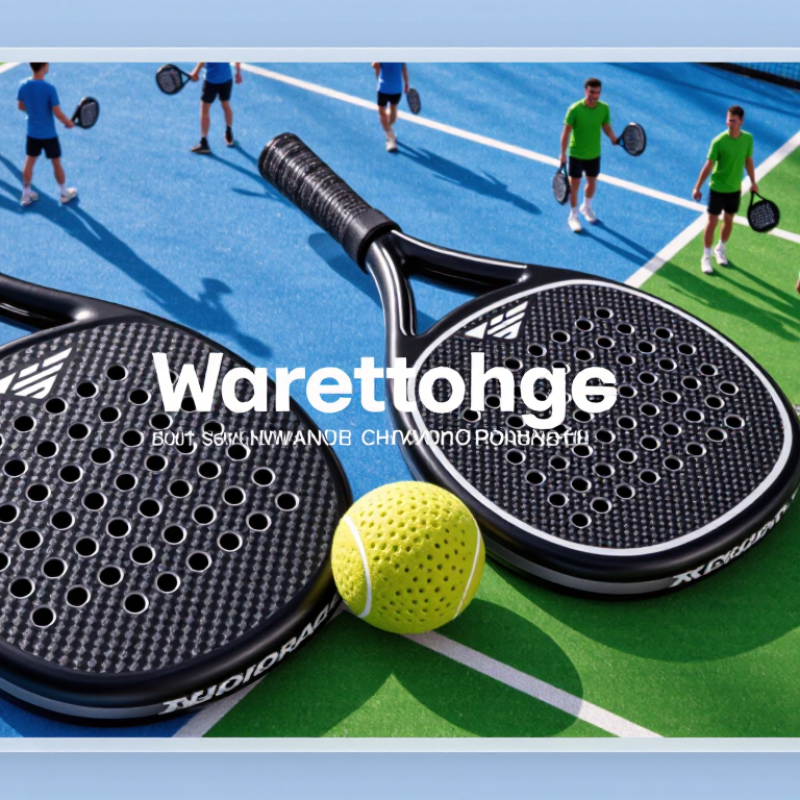
Carbon pickleball paddles are paddles built with carbon fiber, usually as a face layer over a polymer or composite core. Carbon fiber is a lightweight material made from tightly arranged strands. Manufacturers press these fibers into a textured surface, then bond the face to the paddle body. The result can feel firm, controlled, and less harsh than some basic fiberglass designs.
The material matters, but construction matters more. Core thickness, surface texture, weight, and handle shape strongly influence play. A carbon face may help create predictable contact near the paddle’s sweet spot. It does not automatically produce more power or better control. USA Pickleball’s Equipment Standards Manual focuses on measurable limits, including paddle dimensions, surface roughness, and performance behavior. “Carbon” alone is not a quality certificate.
Demand for equipment is also expanding. The Sports & Fitness Industry Association reported 13.6 million U.S. pickleball participants in 2023, a 51.8% increase from 2022. More players are testing different paddle materials, often after feeling vibration through a basic paddle. In practical use, carbon can feel crisp during a soft kitchen exchange, while a thicker core may reduce unwanted shock. Still, personal technique changes the experience. I have found that a lighter carbon paddle improves quick resets, yet it can feel unstable during hard drives. That trade-off deserves attention. A textured surface may also lose grip over time, especially with frequent outdoor play.
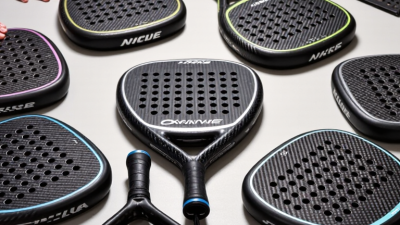
Carbon pickleball paddles attract players because carbon fiber changes how each shot feels. The material offers a textured surface that can hold the ball briefly. That extra contact may improve spin on serves, drives, and soft kitchen shots.
Carbon fiber also affects touch and stability. During practice, I noticed cleaner feedback on controlled dinks. The paddle felt responsive without demanding a large swing. Its stiffness can transfer energy efficiently, especially during quick exchanges near the net. However, stiffness is not automatically better. A rigid paddle may feel less forgiving when contact moves toward the edge.
Weight and construction still matter. A light carbon paddle can improve hand speed during resets and volley battles. A heavier model may provide stronger plow-through against hard shots. The balance point changes fatigue, too. An evenly balanced paddle often feels easier during long games. Head-heavy designs can add power, but they may tire the wrist sooner.
Carbon is not magic. I once blamed my paddle for weak backhand rolls, then noticed my preparation was late. That was uncomfortable, but useful. Players should test several shapes, weights, and grip sizes before choosing. Surface texture can wear with regular play. Weather, impact, and cleaning habits may also affect performance over time. A carbon face rewards precise contact, yet it cannot replace footwork, timing, or patient shot selection.
Why Choose Carbon Pickleball Paddles?
Key Benefits of Using a Carbon Pickleball Paddle
A carbon pickleball paddle offers a firm, responsive hitting surface. Its stiffness can transfer energy efficiently during drives and serves. The result often feels crisp rather than soft. During baseline drills, many players appreciate the predictable rebound. It can make repeated shots easier to judge. However, carbon does not automatically improve every player’s game. Technique still matters.
Control is another practical benefit. A carbon surface may provide useful feedback during dinks, blocks, and resets. With a textured face, it can also help create topspin and slice. This matters when the ball needs a lower, more controlled flight. Short touch shots may feel more deliberate. Not always perfect. Some paddles feel too lively near the sweet spot, especially for beginners. A player may need time to adjust their swing.
Comfort and consistency deserve attention too. Many carbon paddles use lightweight cores and balanced handles. That design can reduce fatigue during long recreational sessions. Less strain may help preserve form late in a match. Still, weight, grip shape, and handle length vary considerably. Carbon faces can also show wear after frequent outdoor play. Check the edge protection and surface condition regularly. A thoughtful choice matches your playing style, strength, and budget, rather than following material hype.
Carbon-fiber composite offers a strong stiffness-to-weight advantage, which can support a lighter, more responsive paddle design and improved control.
The chart uses a relative index in which fiberglass composite equals 100. Values are calculated from representative midpoint ranges for carbon/epoxy and E-glass/epoxy composites: tensile strength of 600–1,000 vs. 200–500 MPa, elastic modulus of 50–100 vs. 20–40 GPa, and density of 1.5–1.6 vs. 1.8–2.0 g/cm³. These are material-level reference values, not universal paddle-laboratory ratings.
Carbon pickleball paddles are often chosen for their balance of control, stability, and responsive feel. Carbon surfaces usually flex less during contact, helping shots leave the paddle with predictable direction. During practice, I noticed cleaner placement on soft dinks and resets. The face felt firm, but not harsh.
Fiberglass paddles generally provide more noticeable pop because the surface flexes under pressure. That extra rebound can help with drives, although touch shots may require finer control. Graphite surfaces can feel quick and crisp, yet their performance depends heavily on thickness and construction. Carbon and graphite are also used loosely in product descriptions, so material names alone can mislead buyers.
Wooden paddles remain durable and affordable, but they feel heavier during repeated swings. My forearm tired sooner with one, especially during fast exchanges at the kitchen line. Composite paddles offer a middle ground, combining different surface materials with a polymer core. The core matters as much as the face. A poor core can make an excellent carbon layer feel dull or unstable.
Carbon is not automatically better. Some players may find its firm response too unforgiving on mishits. I also expected every carbon paddle to feel identical, which was clearly wrong. Handle length, weight distribution, texture, and edge protection changed the experience. A textured carbon face may improve spin, but surface wear can reduce consistency over time. Testing several weights with the same grip is more reliable than judging by appearance alone.
Carbon pickleball paddles attract players because they can offer a controlled, connected feel. The Sports & Fitness Industry Association reported 13.6 million U.S. pickleball participants in 2023. More players now compare equipment carefully. Carbon alone does not guarantee better performance.
Start with your playing style. Choose a lighter paddle, around 7.3 to 7.8 ounces, for quicker reactions at the net. Heavier paddles, often above 8 ounces, can add stability and power. They may also tire your wrist. Try several swings before deciding. Small differences feel significant after a long match.
Surface construction deserves close attention. Raw carbon fiber often supports a softer touch and consistent spin, while carbon-textured materials can perform differently. Ask whether the paddle uses a carbon face, carbon blend, or painted texture. Core thickness also matters. A 16-millimeter core commonly favors control and reduces harsh vibration. A thinner core may feel livelier, but feedback can become less forgiving.
The International Federation of Pickleball and national governing-body equipment standards emphasize legal dimensions and approved paddle performance. Check the current approval list before buying for sanctioned play. Handle length should fit your two-handed backhand, not just your reach. A grip that feels secure without squeezing is usually better. I once favored maximum spin and ignored comfort; my elbow disagreed. That was a costly lesson. Data helps, but your swing, recovery, and match duration still matter most.
| Selection Factor | Recommended Range or Option | Why It Matters | Best Fit |
|---|---|---|---|
| Surface Material | Raw carbon fiber or carbon-fiber face | Carbon surfaces are valued for a consistent feel, controlled energy transfer, and useful spin potential when paired with a textured finish. | Players prioritizing touch, control, and repeatable contact |
| Paddle Weight | Light: 7.0–7.5 oz Midweight: 7.6–8.2 oz Heavy: 8.3–8.7 oz |
Weight affects swing speed, stability, power, and arm fatigue. Actual playing weight can vary with grip, edge guard, and protective tape. | Midweight is the most versatile starting point for many players |
| Core Thickness | 13–14 mm 16 mm |
Thinner cores generally feel quicker and more powerful, while thicker cores usually provide a softer response, greater dwell time, and improved stability. | 13–14 mm for speed; 16 mm for control and comfort |
| Paddle Shape | Widebody, elongated, or hybrid | Widebody paddles offer a larger-feeling hitting area. Elongated paddles provide more reach and leverage but may have a smaller effective sweet spot. | Widebody for forgiveness; elongated for reach and leverage |
| Face Texture | Fine to medium texture within governing-body limits | Texture can help increase friction between the paddle and ball, supporting topspin and slice. Excessive texture may wear faster and may not be competition legal. | Players who regularly use topspin, slice, and controlled serves |
| Sweet Spot | Prioritize a broad sweet spot with a stable perimeter | A larger effective hitting area reduces the effect of off-center contact and helps maintain directional control. | Beginners, doubles players, and defensive players |
| Handle Length | Approximately 4.75–5.5 in | A shorter handle can feel compact and maneuverable. A longer handle gives extra room for two-handed backhands and additional leverage. | Shorter for quick exchanges; longer for two-handed strokes |
| Grip Circumference | Common adult range: approximately 4.0–4.5 in | The grip should feel secure without forcing the hand to squeeze tightly. An overly large or small grip can reduce comfort and control. | Choose based on hand size, comfort, and preferred grip pressure |
| Power and Control Balance | Control-oriented or balanced carbon construction | Carbon paddles are often selected for predictable touch and placement, but core thickness, weight, shape, and swing weight also determine power. | All-court players seeking a balanced response |
| Vibration and Comfort | Thicker core, comfortable grip, and stable construction | No paddle eliminates vibration completely. Proper grip size, relaxed technique, and a suitable weight can improve comfort. | Players sensitive to hand, wrist, or elbow discomfort |
| Durability Considerations | Inspect the face, edge guard, and core regularly | Carbon surfaces can chip or wear from court contact, impacts, and abrasive balls. Avoid hitting the ground and store the paddle in a protective cover. | Players who want long service life through careful maintenance |
| Competition Compliance | Check current approval status and equipment specifications | Rules may address paddle dimensions, surface characteristics, texture, and performance. Always verify the current requirements for the organization and event. | Tournament players and organized league participants |